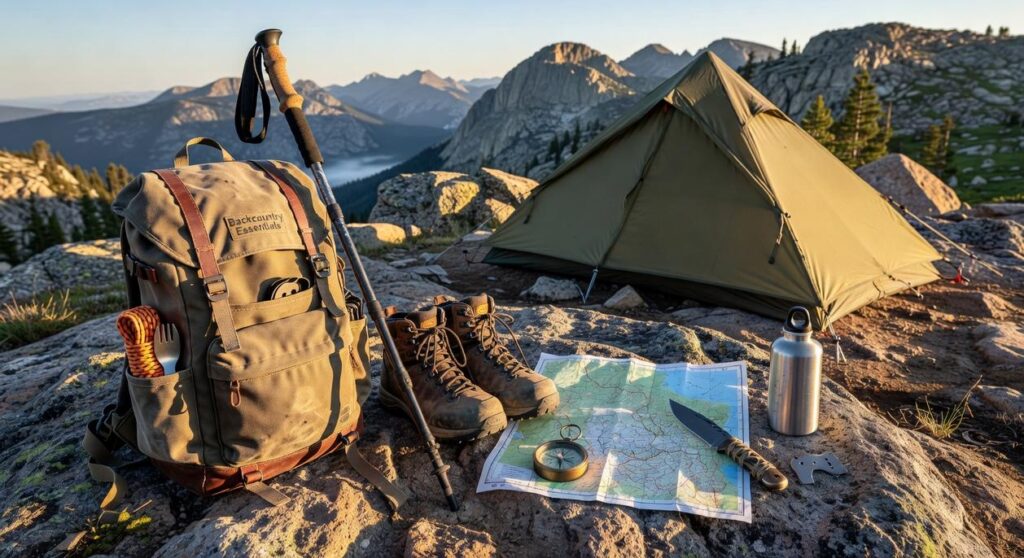
If you’re searching for practical guidance on exploring wild terrain, discovering hidden outdoor gems, and setting up your gear the right way, you’re in the right place. Outdoor exploration is more accessible than ever—but reliable, experience-backed information is harder to find. Between outdated trail advice and gear recommendations that don’t hold up in real conditions, it’s easy to feel unprepared before you even step outside.
This article is designed to give you clear, field-tested insights into frontier findings, outdoor basics, and immersive wild terrain experiences. We focus on what actually works in unpredictable environments—from foundational preparation to responsible exploration practices.
Our guidance draws from hands-on outdoor experience, careful terrain observation, and a deep commitment to ethical outdoor documentation. That means respecting landscapes, preserving natural integrity, and sharing knowledge in a way that protects the places we explore.
By the end, you’ll have practical, trustworthy direction to explore smarter, safer, and with greater confidence.
Capturing the Wild, Responsibly: A Guide for the Modern Explorer
We’ve all felt the pull to photograph a glowing ridgeline or secret waterfall and share it. Yet as stunning feeds multiply, fragile places suffer from overcrowding, erosion, and habitat loss. In other words, a single geotag can become a digital breadcrumb trail for thousands.
This guide goes further; instead of repeating Leave No Trace basics, it tackles algorithms, location tagging, and brand partnerships. Through practical steps for ethical outdoor documentation and smarter storytelling, you’ll learn how to protect wild terrain while still inspiring others. That’s the modern explorer’s real challenge.
The Digital Footprint: Understanding Your Impact on Wild Places
First, let’s clarify the Geotagging Dilemma. A geotag is a location label attached to a post, reel, or photo. It seems harmless. However, when that tag points to a fragile alpine lake or a little-known canyon, it can funnel thousands of people to a place built for dozens. Sensitive ecosystems—areas where plants, soil, and wildlife are easily disturbed—often lack parking, waste systems, or marked trails. In other words, they’re not ready for sudden fame.
Now consider the ripple effect. Imagine one breathtaking cliffside photo goes viral. Within weeks, social feeds turn it into “the spot.” More boots mean trail erosion (soil worn away by foot traffic), startled wildlife, and litter that wasn’t there before. What started as appreciation becomes pressure. It’s the butterfly effect—except instead of weather, it’s wilderness.
This is why we need to think beyond “Leave No Trace,” the outdoor rule about minimizing physical impact. A new principle is emerging: Leave No Digital Trace. Before posting, ask whether sharing specifics supports ethical outdoor documentation—or simply fuels “Content for Clout.”
Ultimately, “Content for Conservation” protects places. “Content for Clout” risks loving them to death (and no landscape deserves to be the next overfiltered casualty).
Field Guide to Ethical Content Creation
Great outdoor content asks a quiet question: are you here to capture the wild, or to conquer it? The difference defines ethical outdoor documentation.
Photography & Videography Best Practices
The Rule of Respect: Leave It vs. Stage It
A: Move a log, trim a branch, stack rocks for a “clean” composition.
B: Shoot the scene exactly as you found it.
Option A may earn quick likes. Option B protects fragile ecosystems. Building cairns (stacked rocks used as trail markers) can mislead hikers and disturb microhabitats. The Leave No Trace Center for Outdoor Ethics warns that altering natural features damages both wildlife and visitor experience (Leave No Trace, 2023). The wild is not a film set.
Wildlife from a Distance: Zoom vs. Approach
A: Step closer for detail.
B: Use a telephoto lens (a long-focus lens that magnifies distant subjects).
Approaching animals increases stress and can cause habituation—when wildlife becomes too comfortable around humans, often with deadly consequences (National Park Service). A crisp shot from 200 feet beats a viral clip of a stressed elk any day (and keeps you off the evening news).
Drones with a Conscience: Launch vs. Look Up the Rules
• Check local regulations
• Avoid designated wilderness areas
• NEVER chase wildlife
The FAA and many park systems restrict drone use for good reason: noise pollution and disturbance are real impacts.
The Power of Words: Storytelling for Stewardship
Precise Location vs. Protective Description
A: “Delta Lake, Grand Teton NP.”
B: “A hidden alpine lake in the Rockies.”
Vague is valuable. Geotagging exact spots can accelerate overcrowding (a phenomenon researchers call “overtourism”).
Inspiration vs. Education
• Add why conservation matters
• Mention trail etiquette
• Tag park services or stewardship groups—not exact coordinates
PRO TIP: If a caption can inspire wonder without a pin drop, you’ve done it right.
CREATE CONTENT. DON’T CREATE DAMAGE.
Advanced Stewardship: Wildlife, Culture, and Advocacy
Photograph Wildlife Without Causing Harm
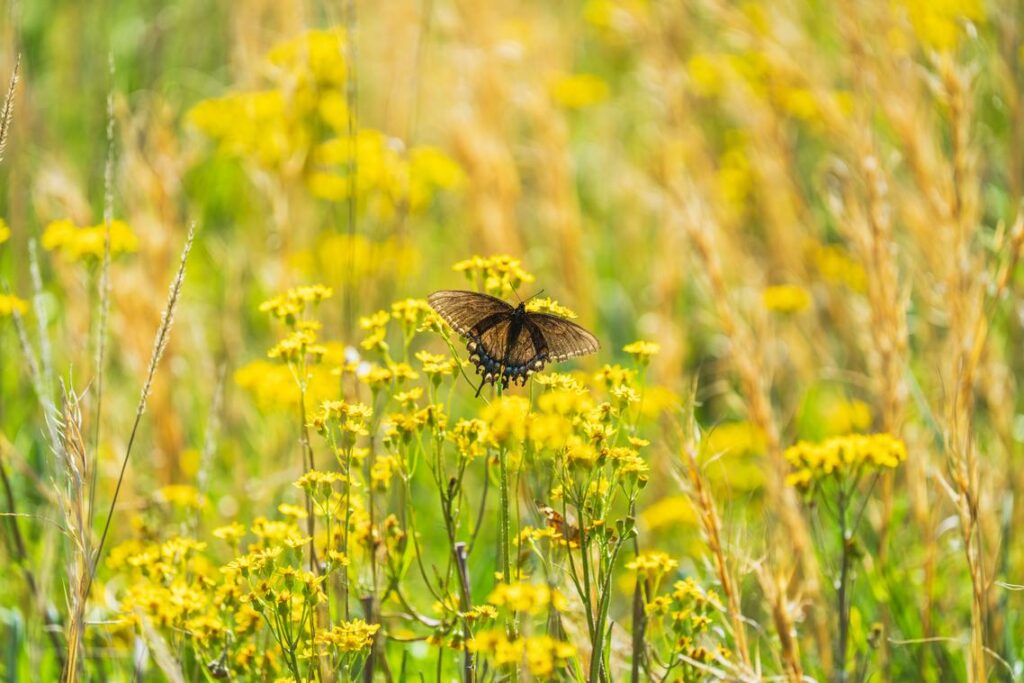
Learn stress signals before you lift your camera. A bird pretending to have a broken wing (a distraction display) or a deer abruptly changing direction are clear warnings. If an animal stops feeding, stares, or vocalizes repeatedly, back away immediately. Use a zoom lens instead of closing distance (your photo isn’t worth a disrupted migration). Pro tip: if your presence changes behavior, you’re too close.
Respect Cultural and Historical Landscapes
Before visiting, research Indigenous land history and current stewardship. Many petroglyphs, burial grounds, and sacred sites should not be photographed or shared without permission and context. When in doubt, don’t post. This is central to ethical outdoor documentation.
For deeper context on protecting sensitive places, read why preserving secret outdoor spots matters.
Use Your Platform for Good
Share trail maintenance dates, link to volunteer sign-ups, and highlight local conservation threats. A single post promoting cleanup day can mobilize real impact (yes, even more than that sunset shot).
Low-Impact Gear for the Conscious Creator
Back in 2019, after three months of testing different field setups, one lesson became clear: the long zoom lens is the single most important tool for ethical wildlife photography. A zoom lens (a lens that lets you photograph subjects from far away without physically approaching them) allows you to document behavior without intrusion. Some argue that getting closer creates more “immersive” shots. However, proximity often stresses animals—especially during nesting or migration seasons (and no photo is worth that).
Equally important, minimalist setups reduce your footprint. Lightweight tripods, mirrorless bodies, and compact packs encourage you to stay on durable surfaces instead of trampling fragile terrain. Over time, less gear also means fewer excuses to wander off trail.
When it comes to power, solar chargers and rechargeable batteries dramatically cut waste (EPA data shows battery waste remains a significant landfill contributor). Pack out everything—lens wipe packets, broken zip ties, all of it. Finally, support brands investing in conservation; ethical outdoor documentation should extend beyond the shutter click.
Sharing the wild isn’t the problem; sharing without thinking is. The real tension is simple: we want to post breathtaking moments, yet we don’t want our geotag to love a place to death. That conflict—beauty versus impact—defines modern exploration. The answer isn’t silence; it’s intention. With an ethical outdoor documentation framework, your photos and reels can protect what they celebrate. Your lens is leverage (yes, even that sunrise selfie). Be mindful, skip fragile details, model respect. Done right, your feed becomes conservation in action. So treat every post as a promise: leave footprints light, and a digital legacy lighter forward.
Step Forward With Confidence Into the Wild
You set out to better understand how to explore wild terrain responsibly, choose the right gear, and uncover hidden gems without putting yourself—or the environment—at risk. Now you have the fundamentals to do exactly that.
The outdoors can be unpredictable. Poor preparation, lack of awareness, and careless habits turn incredible adventures into stressful, even dangerous experiences. But when you combine practical skills, smart gear setup, and ethical outdoor documentation, you don’t just explore—you protect what makes these places worth discovering.
Now it’s time to act. Start planning your next outing with intention. Double-check your gear, research your terrain, and commit to leaving every location better than you found it. If you want trusted insights, field-tested guidance, and real-world outdoor strategies from a top-rated exploration resource, dive deeper now and equip yourself properly before your next adventure. Your next journey deserves preparation—and the wild deserves your respect.
 Founder & CEO
Korlan Kovalde writes the kind of hidden gems content that people actually send to each other. Not because it's flashy or controversial, but because it's the sort of thing where you read it and immediately think of three people who need to see it. Korlan has a talent for identifying the questions that a lot of people have but haven't quite figured out how to articulate yet — and then answering them properly.
They covers a lot of ground: Hidden Gems, Gear Setup and Trail Tips, Frontier Findings, and plenty of adjacent territory that doesn't always get treated with the same seriousness. The consistency across all of it is a certain kind of respect for the reader. Korlan doesn't assume people are stupid, and they doesn't assume they know everything either. They writes for someone who is genuinely trying to figure something out — because that's usually who's actually reading. That assumption shapes everything from how they structures an explanation to how much background they includes before getting to the point.
Beyond the practical stuff, there's something in Korlan's writing that reflects a real investment in the subject — not performed enthusiasm, but the kind of sustained interest that produces insight over time. They has been paying attention to hidden gems long enough that they notices things a more casual observer would miss. That depth shows up in the work in ways that are hard to fake.
Founder & CEO
Korlan Kovalde writes the kind of hidden gems content that people actually send to each other. Not because it's flashy or controversial, but because it's the sort of thing where you read it and immediately think of three people who need to see it. Korlan has a talent for identifying the questions that a lot of people have but haven't quite figured out how to articulate yet — and then answering them properly.
They covers a lot of ground: Hidden Gems, Gear Setup and Trail Tips, Frontier Findings, and plenty of adjacent territory that doesn't always get treated with the same seriousness. The consistency across all of it is a certain kind of respect for the reader. Korlan doesn't assume people are stupid, and they doesn't assume they know everything either. They writes for someone who is genuinely trying to figure something out — because that's usually who's actually reading. That assumption shapes everything from how they structures an explanation to how much background they includes before getting to the point.
Beyond the practical stuff, there's something in Korlan's writing that reflects a real investment in the subject — not performed enthusiasm, but the kind of sustained interest that produces insight over time. They has been paying attention to hidden gems long enough that they notices things a more casual observer would miss. That depth shows up in the work in ways that are hard to fake.