You’re exhausted, hungry, and staring at a sad, half-burnt dinner. I’ve been there, countless times. After a long trek, you deserve more than mushy noodles.
You need sustenance that fuels you for the next day, not a meal that leaves you wishing for civilization. Here, I’ll share field-tested advice, not just some boring campfire recipes. We’re talking about campfire cooking tips that transform your outdoor meals.
I’ve spent years cooking in remote terrains where every ingredient counts. You’ve got to get creative out there. Trust me, this isn’t just about throwing sausages on a grill.
It’s about mastering techniques that work whether you’re on a quick overnight or a week-long adventure. Ready to ditch the bland? You’ll leave with confidence and skills to raise your wilderness cooking game.
The Unbreakable Kitchen: Gear That Goes the Distance
When you’re out in the backcountry, your kitchen setup should be as rugged as you are. Forget about hauling a car-camping kitchen. I’m talking about the trinity of minimalist gear: a heat source, a pot, and a utensil.
Let’s start with heat. A canister stove is your best friend for speed and convenience. It’s reliable, and who doesn’t love boiling water in under five minutes?
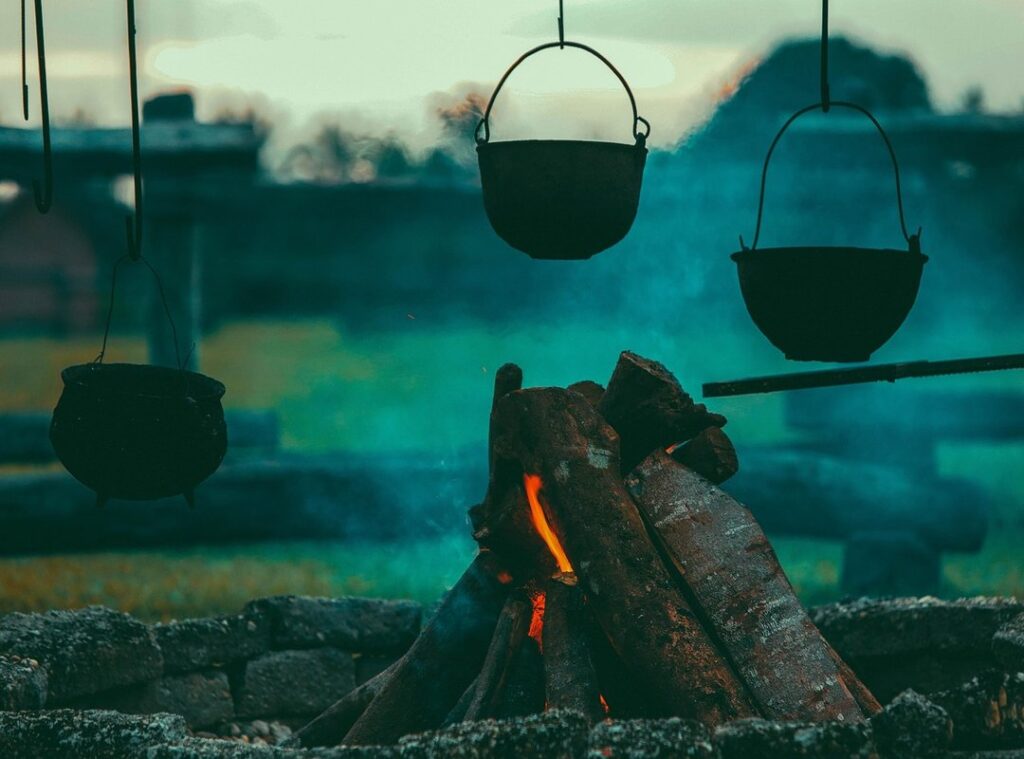
But cooking over a campfire offers a skillful experience and an undeniable vibe (just don’t burn your dinner). Always have a backup ignition source like a ferro rod. Trust me, you’ll thank me when your matches fail.
Now, cookware. You don’t need a 12-piece set cluttering your pack. A single, durable pot made of titanium or stainless steel is all you need.
It’s versatile, takes a beating, and with a lid, doubles as a plate. Think about it: Why carry more?
And utensils? A long-handled spoon or spork is your best bet. It reaches deep into pots and packs easily.
Bulky gadgets? Leave those at home. You need something that works every time without fuss.
The best campfire cooking tips revolve around simplicity and reliability. Choose gear that’s multi-functional and something you can trust your life with, not just whatever’s shiny and new. Need to patch up some gear or learn more?
Check out this guide. It’s important to know how to keep your gear functioning when you’re miles from nowhere.
In the end, it’s not about having the fanciest gear. It’s about having the right gear.
Mastering the Flame: From Tinder to Coals
Let’s face it, starting a fire can be a real headache, especially when it’s damp or windy. I’ve been there, cursing the sky as my soggy matches refuse to light. Starting a fire.
And keeping it alive. Is an art. You need to understand the stages: tinder, kindling, and fuel wood.
For tinder, think light and quick to ignite. Birch bark is my go-to, but fatwood’s another solid choice. Get it right and you’ll have the flame you need.
Each has its role.
Kindling is next. It’s the bridge between your spark and full-blown fire. Small twigs and sticks, bone dry, are what you want.
And finally, the big guns: fuel wood. This is your main heat source, the logs that keep the fire going. But here’s the trick: you need to know what you’re building the fire for.
There’s a big difference between a roaring bonfire and a bed of coals. Bonfires are great for warmth, but not so much for cooking. You need coals for that.
So, how do you get there? Burn your big logs down until they’re glowing red. That’s your coal bed.
It takes time, but patience pays off with the perfect bed for cooking.
Now, controlling the heat is another beast. Move your pot closer or further away from the coals to adjust temperature. Pro tip?
Use a flat rock to create different heat zones. (Yes, it makes a difference.)
For those using a stove, keep it stable and use a windscreen. Trust me, it saves a lot of hassle. And don’t forget to estimate your fuel needs.
Running out halfway through cooking is the worst. For more fire-building wisdom, check out this breakdown, which is packed with solid advice.
These are my hard-earned campfire cooking tips. Take them on your next adventure. You’ll thank me when your fire doesn’t fizzle out at the first gust of wind.
The Backcountry Pantry: Simple Fuel for Big Adventures
When you’re out in the wild, every ounce counts. That’s why I focus on calorie-dense, low-weight, non-perishable food. It’s not just smart; it’s necessary.
Imagine lugging heavy cans up a mountain (not fun). Instead, think dehydrated grains like couscous or instant rice. They’re light and cook fast.
Lentils and jerky are lifesavers too. Nuts give a quick energy boost. Powdered sauces can make anything taste better, and a versatile cooking oil is a must.
These are my staples.
Now, let’s talk about recipes. Or better yet, frameworks. You don’t need a strict recipe.
You’re in the backcountry, not a five-star restaurant. The first is the “One-Pot Power Meal.” Boil water, toss in a grain, a protein like jerky, and any available vegetable. Add a flavor packet.
That’s it. Change it up with different grains or proteins. The options are endless.
The second is the “Foil Packet Feast.” Heavy-duty foil is your friend here. Throw in root vegetables with sausage and spices. Wrap it up tight and place it in the coals.
Simple, right? It’s a great way to cook without carrying a ton of gear. Plus, it tastes amazing.
And here’s a pro tip: always bring extra. Weather can turn, and you might find yourself needing more food than planned. If you’re choosing best sleeping bag cold, you already know preparation is key.
The same goes for food.
These campfire cooking tips aren’t just ideas. They’re survival. They’re freedom.
They’re the essence of getting back to nature without sacrificing comfort. Pack smart, eat well, and enjoy the adventure.
Leave No Trace Cooking: Food and Wilderness
Cooking outdoors isn’t just about the food. It’s about respecting and preserving nature. Ever thought a simple apple core wouldn’t harm?
Think again. Wildlife can’t handle our scraps (even if they’re natural). You have to pack out everything.
This isn’t optional; it’s a rule.
Let’s talk food storage. A bear canister is a must, or use the PCT method with a bear bag. What’s that?
Hang your bag over a branch with a carabiner and rope. Keeps bears out of your snacks and your camp safe.
Washing dishes is another biggie. Use a tiny bit of biodegradable soap. Stay 200 feet away from water sources.
Scrape your pots clean first. No one wants grey water in their favorite stream. Dispose of it properly, away from where you sleep.
These campfire cooking tips aren’t just good for the environment. They protect the wild places we cherish. (And, let’s be honest, nobody wants a midnight bear visit.) Being an outdoorsperson means taking responsibility for the land. We want to enjoy nature without leaving a mess behind.
So, next time you’re out, remember: clean camp, happy trails.
Cook Like a Trailblazer
Forget the clutter of unnecessary gear. Real outdoor cooking mastery comes from nailing the basics. You know this.
No more tasteless meals that make you regret being outside. With a solid kit, control over your fire, and smart food choices, you’re armed and ready. Campfire cooking tips? You’ve got them.
So what now? Take this advice and head out. Make your next backcountry meal something you actually look forward to.
Trust me. This isn’t just food; it’s part of your adventure. Why settle for less when you can feast with confidence?
Grab your kit and get out there.
 Lead Explorer & Content Specialist
Ann Wootenutter writes the kind of alawi wilderness navigation content that people actually send to each other. Not because it's flashy or controversial, but because it's the sort of thing where you read it and immediately think of three people who need to see it. Ann has a talent for identifying the questions that a lot of people have but haven't quite figured out how to articulate yet — and then answering them properly.
They covers a lot of ground: Alawi Wilderness Navigation, Frontier Findings, Gear Setup and Trail Tips, and plenty of adjacent territory that doesn't always get treated with the same seriousness. The consistency across all of it is a certain kind of respect for the reader. Ann doesn't assume people are stupid, and they doesn't assume they know everything either. They writes for someone who is genuinely trying to figure something out — because that's usually who's actually reading. That assumption shapes everything from how they structures an explanation to how much background they includes before getting to the point.
Beyond the practical stuff, there's something in Ann's writing that reflects a real investment in the subject — not performed enthusiasm, but the kind of sustained interest that produces insight over time. They has been paying attention to alawi wilderness navigation long enough that they notices things a more casual observer would miss. That depth shows up in the work in ways that are hard to fake.
Lead Explorer & Content Specialist
Ann Wootenutter writes the kind of alawi wilderness navigation content that people actually send to each other. Not because it's flashy or controversial, but because it's the sort of thing where you read it and immediately think of three people who need to see it. Ann has a talent for identifying the questions that a lot of people have but haven't quite figured out how to articulate yet — and then answering them properly.
They covers a lot of ground: Alawi Wilderness Navigation, Frontier Findings, Gear Setup and Trail Tips, and plenty of adjacent territory that doesn't always get treated with the same seriousness. The consistency across all of it is a certain kind of respect for the reader. Ann doesn't assume people are stupid, and they doesn't assume they know everything either. They writes for someone who is genuinely trying to figure something out — because that's usually who's actually reading. That assumption shapes everything from how they structures an explanation to how much background they includes before getting to the point.
Beyond the practical stuff, there's something in Ann's writing that reflects a real investment in the subject — not performed enthusiasm, but the kind of sustained interest that produces insight over time. They has been paying attention to alawi wilderness navigation long enough that they notices things a more casual observer would miss. That depth shows up in the work in ways that are hard to fake.