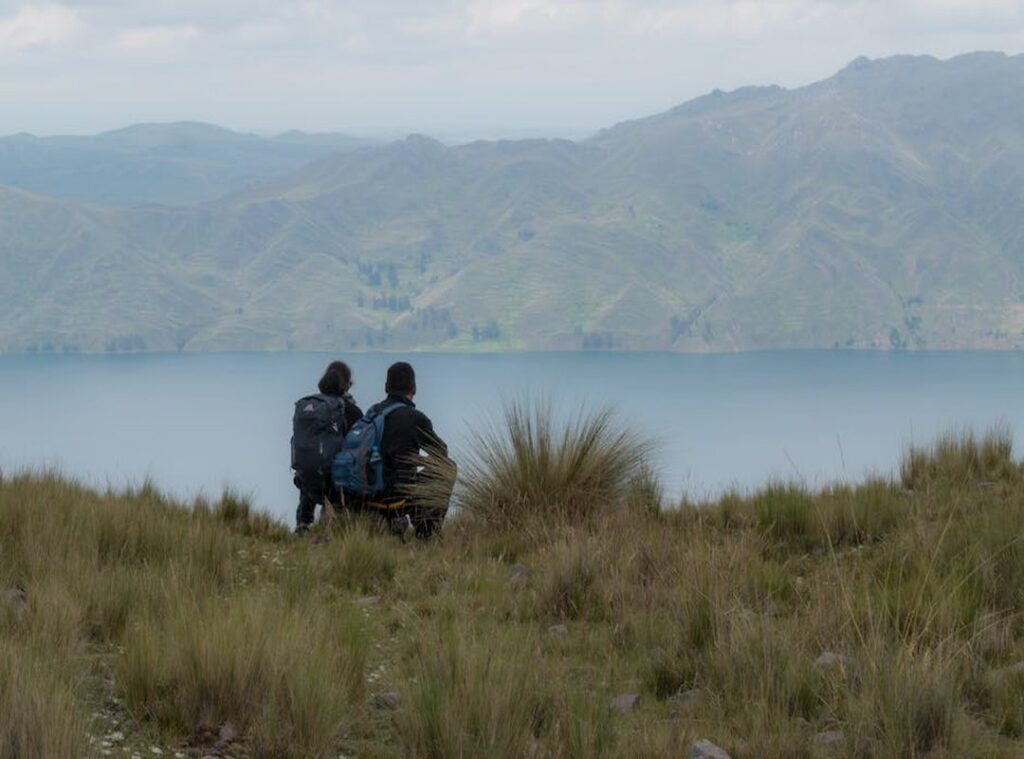
Trekking the Andes isn’t just another hike. It’s an overwhelming challenge, isn’t it? The sheer scale, the variety of terrains.
Where do you even start? I get it. Finding reliable information is like wading through endless tour packages and useless packing lists.
But you’re in the right place. I’ve spent years navigating these wild terrains. I know the Andes like the back of my hand.
This isn’t recycled fluff. It’s built on real-world sweat and blisters. You’re getting a andes trekking guide that’s authentic and actionable.
Forget the noise; this is your one-stop resource. We’ll cover everything, from choosing the right region to honing important on-the-ground skills. Stick with me, and you’ll have everything you need for your trek.
Ready to conquer those peaks?
First Steps: Mapping the Andes Adventure
Let’s get one thing straight. The Andes isn’t just a place. It’s a sprawling, continent-spanning range with a personality as diverse as its geography.
You’re not just picking a trek; you’re choosing an experience. Each region offers something unique. And trust me, the choice matters.
Starting with the Northern Andes (Colombia, Ecuador), you get lush páramo ecosystems, volcanic landscapes, and cloud forests. It’s like stepping into a world that’s both mysterious and accessible. Perfect for shorter treks that don’t skimp on biodiversity.
You know those treks where every turn feels like a scene from a nature documentary? That’s what you’re in for here.
Moving to the Central Andes (Peru, Bolivia), it’s all about high-altitude challenges and ancient ruins. This is where you find the heart of Inca history, sitting amidst dramatic, arid landscapes. If your idea of adventure involves a bit of history and a hearty challenge, this is your zone.
Ever dreamed of standing on trails that weave through time? Here, it’s not just a dream.
Unpredictable. Experience? Raw and wild.
Then there’s Patagonia in the Southern Andes (Chile, Argentina). Think iconic granite spires and massive glaciers. Weather?
This is for those who crave the wind-swept wilderness. It’s not your everyday walk in the park. But isn’t that the point?
So, which Andes region vibes with your adventure spirit? When you’re ready to dive deeper, check out this guide for more on jungle expeditions in South America. Every choice here opens up a new chapter in your trekking story.
Gear and Grit: Conquer the Andean Trails
Stepping into the Andes? You better come prepared. This isn’t just another hike.
It’s a battle against nature’s extremes. The altitude, sun, and weather are constant. Let’s talk gear.
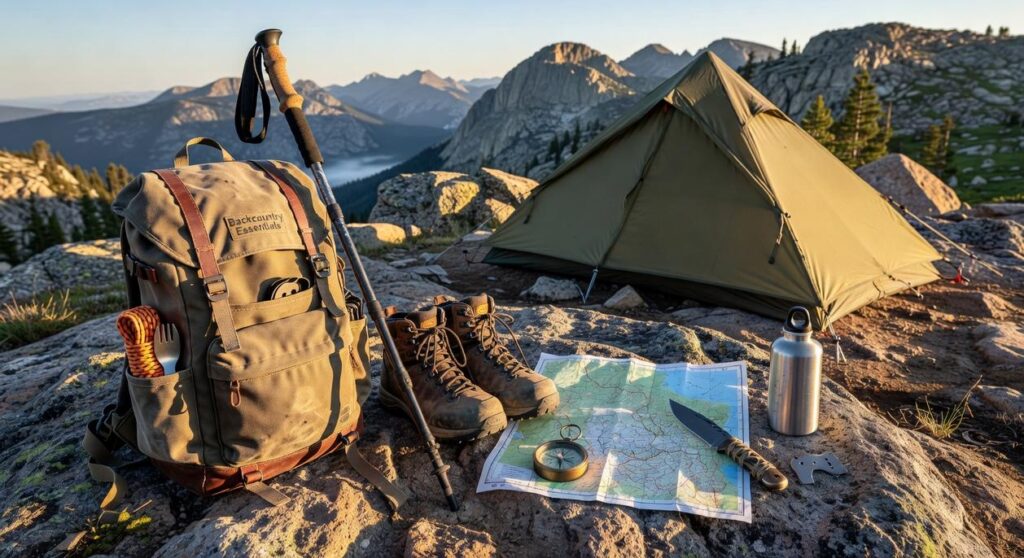
A non-negotiable gear system is your best friend here. You need three layers: base to wick sweat, mid for warmth, shell to fend off wind and rain. Miss one, and you’ll feel it.
Don’t skimp on footwear. Those waterproof boots with ankle support? They’re not a suggestion.
You think you can save a few bucks with cheaper gear? Think again. Your feet will pay the price tenfold.
Trust me.
Sun and altitude protection isn’t optional. High-SPF sunscreen, quality sunglasses, and a wide-brimmed hat are important. Your skin will thank you later.
Don’t forget a reliable water filter or purification tablets. The last thing you need is a gut-wrenching illness halfway up a mountain. You can find more gear tips in this overview if you need them.
Now, about your body and mind. Acclimatization isn’t just a fancy word. It’s the difference between thriving and barely surviving.
The “climb high, sleep low” principle is your mantra. Above 3,000 meters, your safest bet is ascending gradually. Quick ascents are for the reckless.
Got three months? Focus on fitness. Forget long, flat walks.
Hills and stairs are your new best friends for building cardiovascular endurance. Squats and lunges will bolster your leg strength. This isn’t a stroll in the park (your) body needs to be ready.
And don’t forget your mind. The mental game is half the battle. The Andean trails are no joke, and only the prepared will conquer them.
Ready to tackle this challenge? An andes trekking guide might just be your new bible.
On the Trail: Core Skills for Wilderness Navigation
I’ve been out on the trails enough to know that nature has its tricks. You think you’re prepared, but the wilderness doesn’t play by your rules. Let’s talk about reading the space and weather.
The mountains have their own language. Spotting lenticular clouds or noticing a sudden shift in the wind direction can mean a storm’s coming. You don’t want to be caught off guard.
Crossing rivers can be tricky. It’s not just about jumping in and hoping for the best (bad idea). Look for braids in the water; they usually mean shallow crossings.
Are you ready to trust your gut and the signs around you?
And if the water’s too fast or murky, think twice. Is the risk worth it? Probably not.
Now, should you go on a guided trek or dive into independent exploration? Both have their perks. Guided treks provide safety and local knowledge.
Plus, you won’t have to worry about getting lost. But if you’re chasing freedom and a challenge, going solo might be your thing. Make your choice based on your comfort with solitude, budget, and previous navigation experience.
There’s no wrong answer here.
Before you head out, check out this Surviving Extreme Weather Expeditions guide. It’s packed with real takeaways that could save your life out there.
So, have you thought about trekking the Andes? An andes trekking guide can be your best friend. Or maybe you’re still deciding between guided and independent paths.
Either way, the trail is waiting. But remember, it’s not just about reaching the destination. It’s about learning to read the world around you and trusting your instincts.
Trekking in the Andes: Classic Paths and Hidden Gems
When planning your adventure in the Andes, you’ve got choices. And not just the obvious ones. Let’s kick off with Huaraz, Peru.
Everyone’s heard of the Santa Cruz Trek. It’s a classic for a reason. Stunning views, well-trodden paths.
But if you’re seeking a challenge, the Huayhuash Circuit is where you want to be. It’s more rugged, more remote, and let’s be real. More rewarding.
Just don’t go without some serious trekking chops.
Now, Cusco, Peru. Most folks flock to the Inca Trail, and sure, it’s iconic. But did you know you have to book it way in advance?
That’s nuts. Instead, try the Ausangate Trek if you crave high-altitude beauty minus the crowds. Those mountains have a way of making you feel like a speck of dust (in a good way).
Finally, El Chaltén, Argentina. Fitz Roy Base Camp is the quintessential trek. But for those who know their way around a glacier, Huemul Circuit is the real deal.
It’s tough but gloriously isolated. So, what’s your flavor (tried-and-true) or undiscovered?
An Andes trekking guide is important, especially when exploring these rugged landscapes. Make sure you’re packed and prepared. Which path will you choose?
Take the First Step Toward Your Andes Adventure
Planning your Andes trek doesn’t have to be overwhelming. Sure, it’s easy to feel lost with so many choices, but you’ve got this. With the right approach, which you’ve just read about, you’ll be ready.
Choose the region, prepare your gear, and understand your on-trail options. You’re not alone in this. Use the andes trekking guide as your roadmap.
The mountains are waiting. Embrace the journey. Your adventure is just a decision away.
Start now and explore the wild, beautiful Andes. Trust this guide, and let your adventure begin. The first step is yours to take.
 Founder & CEO
Korlan Kovalde writes the kind of hidden gems content that people actually send to each other. Not because it's flashy or controversial, but because it's the sort of thing where you read it and immediately think of three people who need to see it. Korlan has a talent for identifying the questions that a lot of people have but haven't quite figured out how to articulate yet — and then answering them properly.
They covers a lot of ground: Hidden Gems, Gear Setup and Trail Tips, Frontier Findings, and plenty of adjacent territory that doesn't always get treated with the same seriousness. The consistency across all of it is a certain kind of respect for the reader. Korlan doesn't assume people are stupid, and they doesn't assume they know everything either. They writes for someone who is genuinely trying to figure something out — because that's usually who's actually reading. That assumption shapes everything from how they structures an explanation to how much background they includes before getting to the point.
Beyond the practical stuff, there's something in Korlan's writing that reflects a real investment in the subject — not performed enthusiasm, but the kind of sustained interest that produces insight over time. They has been paying attention to hidden gems long enough that they notices things a more casual observer would miss. That depth shows up in the work in ways that are hard to fake.
Founder & CEO
Korlan Kovalde writes the kind of hidden gems content that people actually send to each other. Not because it's flashy or controversial, but because it's the sort of thing where you read it and immediately think of three people who need to see it. Korlan has a talent for identifying the questions that a lot of people have but haven't quite figured out how to articulate yet — and then answering them properly.
They covers a lot of ground: Hidden Gems, Gear Setup and Trail Tips, Frontier Findings, and plenty of adjacent territory that doesn't always get treated with the same seriousness. The consistency across all of it is a certain kind of respect for the reader. Korlan doesn't assume people are stupid, and they doesn't assume they know everything either. They writes for someone who is genuinely trying to figure something out — because that's usually who's actually reading. That assumption shapes everything from how they structures an explanation to how much background they includes before getting to the point.
Beyond the practical stuff, there's something in Korlan's writing that reflects a real investment in the subject — not performed enthusiasm, but the kind of sustained interest that produces insight over time. They has been paying attention to hidden gems long enough that they notices things a more casual observer would miss. That depth shows up in the work in ways that are hard to fake.