Choosing the right hiking footwear can make or break your time on the trail. If you’re searching for a clear, practical hiking footwear comparison, you’re likely trying to figure out which option—trail runners, hiking shoes, or boots—actually suits your terrain, comfort needs, and experience level. The wrong choice can lead to blisters, instability, or fatigue miles from the trailhead.
This article is designed to simplify that decision. We break down the key differences in support, durability, traction, weight, and weather resistance so you can confidently match your footwear to the environment you plan to explore. Whether you’re preparing for rugged backcountry routes or casual day hikes, you’ll find guidance tailored to real-world conditions.
Our insights are grounded in extensive field testing across varied terrain and careful evaluation of gear performance in demanding outdoor environments. By the end, you’ll have a clear understanding of what matters most—and which type of hiking footwear truly fits your next adventure.
Find Your Perfect Footing: A Guide to Hiking Footwear
Choosing hiking shoes can feel like decoding a gear catalog. Trail runners, hiking shoes, boots—what actually matters?
Start with terrain and load. Light day hikes? Trail runners offer flexibility. Rocky, multi-day treks? Mid or high-cut boots add ankle support (yes, it matters when your pack hits 30 pounds).
Key factors:
• Fit (snug heel, roomy toe box)
• Outsole grip (rubber compounds vary)
• Waterproofing vs. breathability
A quick hiking footwear comparison clarifies trade-offs.
What’s next? Consider sock pairing, break-in time, and insole upgrades—small tweaks that prevent blisters and big regrets later. Test shoes on stairs before committing to trails. Your feet adapt.
The Three Pillars of Hiking Footwear: Shoes, Mids, and Boots
If there’s one hiking footwear comparison that actually matters, it’s this: low-cut shoes, mid-cut boots, or high-cut backpacking boots. Everything else is marketing noise (yes, even the “ultralight revolution”). Here’s how I see it.
1. Low-Cut Hiking Shoes
These are my go-to for day hikes on well-maintained trails. They’re lighter, more flexible, and reduce fatigue over long miles. Research shows lighter footwear can lower energy expenditure compared to heavier boots (U.S. Army Research Institute of Environmental Medicine). That’s real. But the trade-off? Limited ankle support and more exposure to rocks, roots, and trail debris. If you roll an ankle easily, these may test your patience.
2. Mid-Cut Hiking Boots
The sweet spot. They balance flexibility with added ankle support, which helps on uneven terrain. I recommend them for weekend trips and moderate loads. Some argue ankle support is overrated, citing studies suggesting external support has minimal impact on sprain prevention. Fair point. Still, I find the psychological confidence alone worth it (confidence changes how you move).
3. High-Cut Backpacking Boots
For multi-day treks and heavy packs, I prefer the stability and protection. They’re tougher, often more water-resistant, and built for abuse. The downside? Weight and a break-in period that can feel like a relationship test. Blisters happen if you rush it.
In my opinion, your terrain and pack weight should dictate your choice—not trends. Choose for the trail, not the Instagram shot.
Decoding the Tech: What Really Matters in a Hiking Shoe
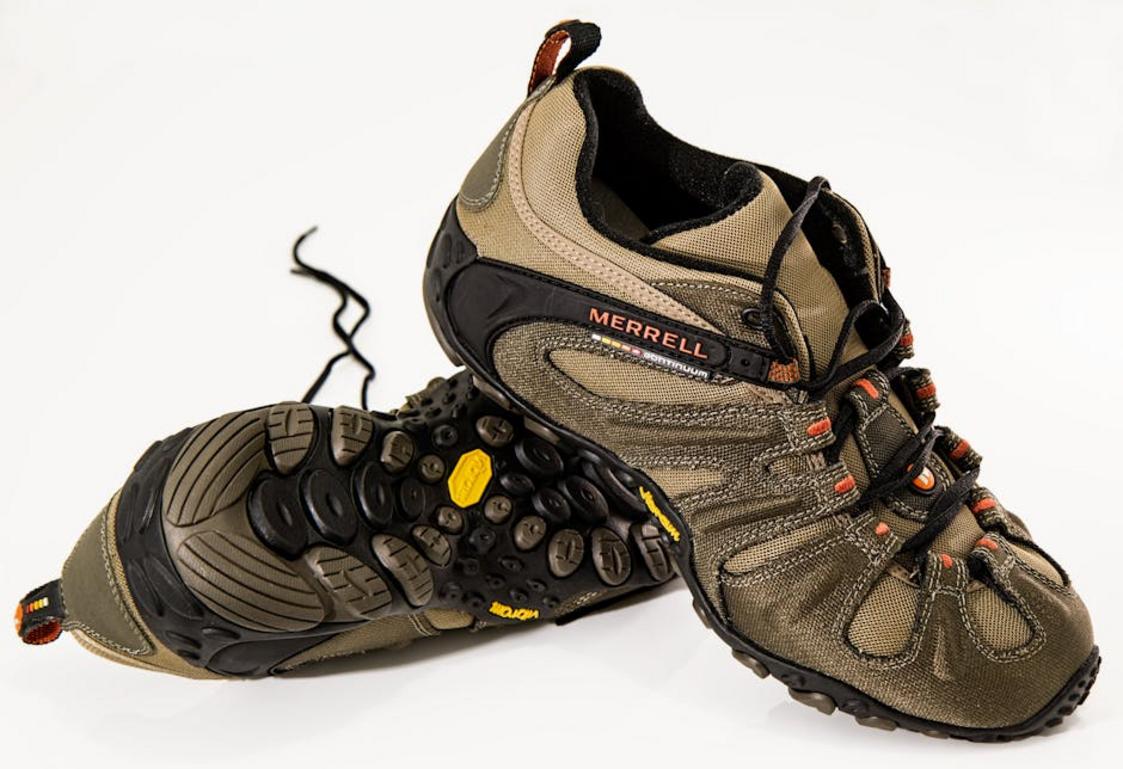
Choosing a hiking shoe isn’t just about fit—it’s about understanding what’s under the hood. Think of it as a hiking footwear comparison where every material choice changes how your day on the trail unfolds.
Upper Materials (The Shell)
First, the upper—the outer material wrapping your foot. Full-grain leather is the tank of the trio: extremely durable, naturally water-resistant, and great for rugged terrain. However, it’s heavier and takes longer to break in (your feet may protest at first).
By contrast, synthetics like nylon or polyester are lighter and more breathable. They dry faster, too—ideal for humid hikes or stream crossings. The trade-off? They typically wear out sooner.
Then there are hybrid uppers, blending leather panels with synthetic mesh. These aim to balance durability and airflow. For most weekend hikers, hybrids hit the sweet spot.
Midsoles (The Cushion)
Next comes the midsole—the shock absorber. EVA (ethylene-vinyl acetate) is lightweight and cushy, making it popular for day hikes. It compresses over time, though, meaning less support after heavy use.
On the other hand, polyurethane (PU) is firmer and more durable. It’s heavier but maintains structure under load—perfect for backpacking trips with serious weight. (Pro tip: If you’re carrying 30+ pounds, lean toward PU for long-term stability.)
Outsoles (The Grip)
Traction depends on lug depth—the height of the rubber studs. Deep, widely spaced lugs grip mud well. Shallower, tightly packed lugs handle rocky terrain better. Rubber compounds matter, too: softer rubber is “stickier” on rock but wears faster, while harder rubber lasts longer on abrasive trails.
The Waterproofing Debate
Finally, waterproof liners like Gore-Tex (GTX) promise dry feet in wet conditions. Studies show waterproof membranes reduce water penetration but also limit breathability (Journal of Textile Science & Engineering). In hot, dry climates, they can trap sweat—sometimes making feet wetter from the inside. If you prioritize quick drying over waterproofing, non-membrane shoes may serve you better.
In short, each feature involves trade-offs. The right choice depends less on hype—and more on where, and how, you hike.
Your Hike, Your Shoe: A Practical Selection Guide
Choosing the right hiking shoe isn’t about trends—it’s about terrain, distance, and load. Think of it as a personalized hiking footwear comparison where your trail decides the winner.
Scenario 1: The Local Park Day Hiker
If you’re sticking to groomed paths and local parks, lightweight hiking shoes or trail runners are more than enough. Breathability keeps your feet cool, and flexible soles make each step feel natural. In other words, you’re walking—not summiting Everest. Minimal bulk equals maximum comfort.
Scenario 2: The Weekend Mountain Explorer
Now, if elevation gains and a modest backpack enter the picture, mid-cut boots shine. They offer ankle support (which means added stability around uneven rocks and roots) without feeling overly stiff. Some argue low-cut shoes work just fine here—and for experienced hikers with strong ankles, that can be true. Still, a little extra support can be a trip-saver when fatigue sets in.
Scenario 3: The Thru-Hiker and Backpacker
For multi-day treks carrying heavier loads, durable high-cut boots provide protection and structure over hundreds of miles. Yes, they’re heavier. However, they shield against debris and reduce ankle roll risk. Blisters and strain compound over distance—support matters more than speed here.
Scenario 4: The Fast-and-Light Adventurer
Interestingly, rugged trail runners are gaining traction even among long-distance hikers. This approach favors agility and quick drying over rigid support. Speculation: as materials improve, we may see hybrid designs dominate future shelves—boots with trail-runner weight and backpacking durability. Until then, choose based on your strength, pace, and terrain. Your hike, your rules.
Step Confidently Onto Your Next Trail
The truth? The “best” hiking shoe doesn’t exist. The right one does. And now you know how to find it.
Instead of staring at shelves in total gear paralysis (we’ve all been there), you can evaluate:
- Uppers for breathability vs. durability
- Midsoles for cushioning and support
- Outsoles for grip and terrain match
Think of it as your personal hiking footwear comparison framework—built around your trails, not someone else’s.
Next time you’re in-store, try multiple pairs. Walk. Bend. Notice pressure points. Trust informed intuition over brand hype.
The right shoes won’t just fit your feet. They’ll fit your adventures.
Step Forward With Confidence on Every Trail
You set out to find clarity on which boots or trail shoes truly fit your terrain, comfort needs, and performance goals. Now you have it. From grip and durability to breathability and support, this hiking footwear comparison has given you the insight you need to choose gear that won’t let you down miles from the trailhead.
Blisters, sore arches, and unstable footing can ruin an otherwise unforgettable adventure. The wrong footwear doesn’t just slow you down — it cuts trips short and chips away at your confidence in the wild. You don’t have to settle for that.
Take action while the details are fresh. Revisit your top picks, match them to the terrain you explore most, and upgrade your hiking setup before your next outing. Thousands of outdoor enthusiasts rely on our trusted gear insights to make smarter trail decisions — and you can too.
Don’t risk another uncomfortable trek. Choose the pair that supports your stride, protects your feet, and helps you explore farther with confidence. Your next adventure deserves nothing less.