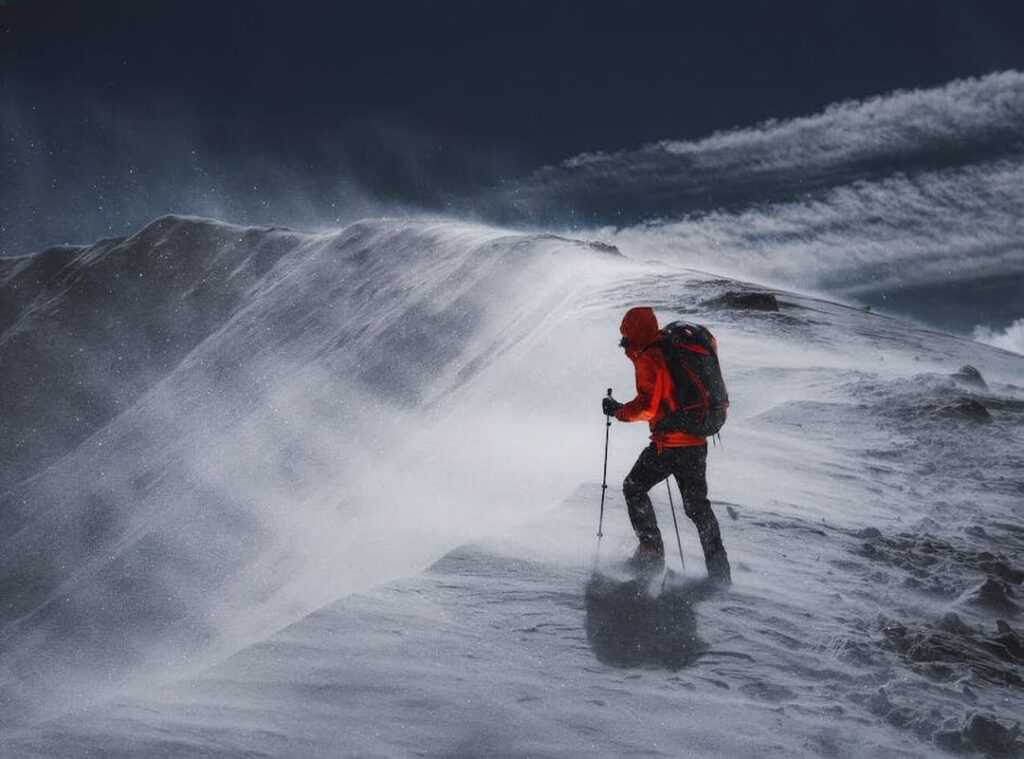
Caught in an unexpected mountain squall, feeling the sky darken and the wind cut like a blade, I realized that nature doesn’t just test you. It demands answers. Most advice out there tells you to hunker down, wait it out.
But that’s not enough, is it? Surviving extreme weather should be about more than just enduring. It’s about actively and safely navigating those brutal conditions.
I’ve spent years in the wild, leading expeditions through unpredictable terrains where reading the weather is as key as reading a map. You learn quick that a passive approach doesn’t cut it.
This article isn’t about sitting tight. It’s about shifting your mindset. I’ll give you the tools to turn fear into action, equipping you with the skills to make smart decisions when the storm hits.
The Navigator’s Mindset: Finding Calm in the Storm
Surviving extreme weather isn’t just about having the right gear. It’s about mindset. A navigator’s mindset is what you need.
It’s proactive, calm, analytical. Ever been caught in a storm and felt that gut-punch of panic? I have.
And let me tell you, a survival mindset won’t cut it. It’s reactive, fearful, and frankly, useless.
Take the ‘S.T.O.P.’ principle. It’s simple but key: Stop, Think, Observe, Plan. You stop whatever panic-driven nonsense you’re doing.
Think about the situation. What’s the worst that can happen? Then observe.
Look at the sky, the terrain, your resources. Finally, plan. What small, logical steps will get you out of this mess?
Controlled breathing is your best friend here. It keeps your head clear. Focus on solvable micro-tasks, like waterproofing your pack.
It sounds basic, but it’s a lifeline. In a whiteout, a friend of mine panicked. He wandered off-course, got lost.
Another friend, calm and collected, plotted a course and made it out.
This mindset isn’t just for navigating storms. It’s important for any adventure, like the Jungle Expeditions South America.
So, how do you get there? Practice. Face small challenges.
Test yourself in controlled environments. Build resilience. Surviving isn’t about brawn; it’s about brains.
The most important tool you carry is a clear head. Remember that next time the skies darken.
Reading the Wild: Nature’s Early Warning System
Weather apps are great, but let’s talk real life. Out in the wild, nature gives you signs. You just need to know where to look.
Clouds are a big deal. See towering cumulonimbus? That means a storm’s brewing.
High wispy cirrus clouds? Probably fair weather, but a change might be on the way. Low, scudding clouds?
Wind shifts are another clue. If the wind suddenly changes direction or picks up speed, you’re looking at an approaching front. Trust me, it’s like nature’s alarm clock.
Rain’s likely.
Even animals get in on the act. Notice birds going quiet or insects acting weird? They often sense changes before we do.
It’s like they have their own weather radar.
And then there’s the barometric pressure drop. You can almost feel it. It makes your skin tingle or your ears pop.
That’s a sure sign things are about to get rough. Recognizing these signals can be a lifesaver when you’re surviving extreme weather.
So, why rely solely on technology when nature’s giving you all these clues? It’s about reading the signs, trusting your instincts, and using what you know to stay safe. Are you ready to face nature head-on?
Your All-Weather Navigation Toolkit: Gear That Won’t Fail You
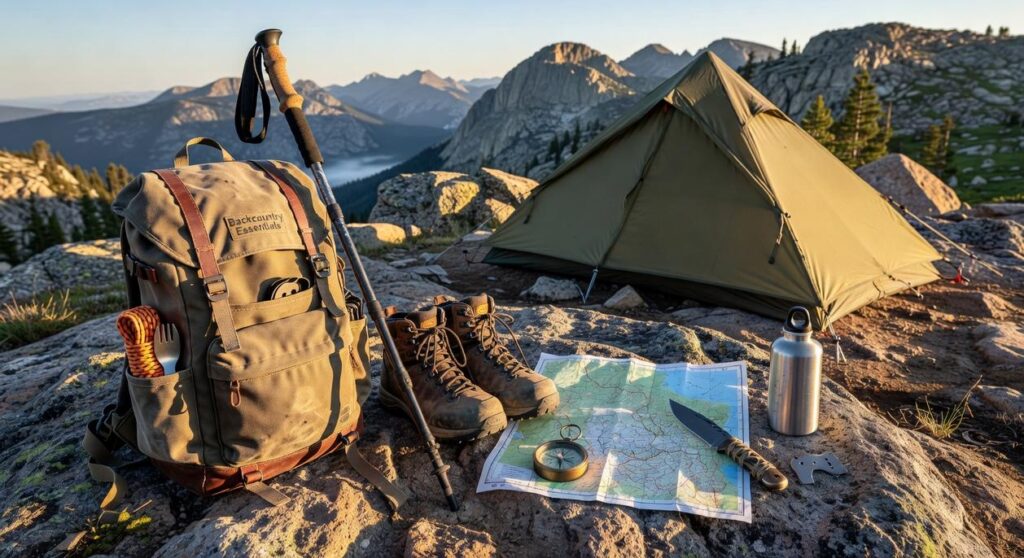
When you’re out in the wild, surviving extreme weather isn’t just about having the right gear. It’s about having the right system. Let’s talk about the “Analog Trinity.” First, you need a high-quality compass.
Not one of those cheap plastic ones that spin like a top in a windstorm. And here’s a pro tip: practice using it in low visibility. Fog and snow can turn your surroundings into a whiteout nightmare.
Next, grab a laminated topographic map. Why laminated? Because paper maps turn into mush when wet.
A waterproof field notebook and pencil round out the trinity. Jot down coordinates or sketch a quick map. It’s old-school, but it works when your digital tools fail.
Now, I know you’re thinking, “What about digital backups?” A reliable GPS unit or smartphone with downloaded maps is your lifeline. Keep it in a dry bag with a fully charged power bank. Because let’s face it, dead tech is useless tech.
Storm navigation needs its own gear. A solid headlamp with a red-light setting is a must. Why red light?
It preserves night vision, key when navigating in the dark. And don’t forget a personal locator beacon (PLB) or satellite messenger. These are your SOS tools for true emergencies.
Finally, high-visibility pack covers or clothing can save your life. They make you visible in a storm, which is key when rescue teams are searching. For anyone planning an adventure, check out the trekking andes beginners guide.
It’ll give you more tips on what to pack for your journey.
On the Move: Make or Break Decisions
Sometimes you’re stuck. You’re in the wild, and the question isn’t just “What now?” It’s “Do I hunker down or push on?” It’s a big deal. When lightning’s near, when visibility drops to zero, or when flash floods threaten, the answer’s clear: find shelter.

Immediately. Standing on an exposed ridge with gale-force winds? That’s asking for trouble.
Pushing on in harsh conditions calls for smart moves. Ever heard of ‘handrailing’? It’s all about following a natural line, like a creek or ridge, to guide you safely through the fog.
It keeps you on track when everything’s just a blur. Get closer to your group (safety) in numbers isn’t just a saying. It’s a plan.
Thunderstorm rolling in? Ditch the open fields and lone trees unless you want to be a lightning rod.
Knowing when to stop and when to move can be life-saving. It’s about reading the signs and making calls that aren’t dramatic, just smart. To dive deeper into these tactics, check out surviving extreme weather.
It’s a guide that cuts through the noise and gets you focused on what matters when the elements turn against you. Stay sharp. Stay safe.
Storm’s Aftermath: New Dangers Lurking
You might think the storm is over once the clouds clear, but the real test begins now. The space you knew has changed. Trails washed out.
Slopes unstable. And don’t get me started on those downed trees (widowmakers, they call them). Swollen rivers can turn a gentle crossing into a life-threatening challenge.
First, re-orient yourself on the map. Landmarks might be obscured. Check your gear for damage.
Got a torn tent? is it annoying, but it can be dangerous in surviving extreme weather.
Take a moment to think about your route. Is it still safe?
If you see major trail damage, let the right people know once you’re safe. Park services need this info to keep everyone else safe too. Ever thought about how much of a difference reporting makes?
It’s huge.
Nature doesn’t reset neatly. We’ve got to tread carefully.
Mastering Nature’s Fury
That fear, that helplessness when the storm hits hard? We’ve all felt it. But here’s the thing.
You don’t just have to endure. By thinking like a navigator, you turn terror into triumph. Mastering these skills isn’t just about surviving extreme weather.
It’s about owning it. You don’t have to be a victim of nature’s wrath.
Next time you enjoy a sunny-day hike, practice one skill. Strengthen your knowledge. Prepare yourself.
Your future self will thank you when the skies unleash their fury. Ready to take control? Start now.
Conquer the storm. Transform fear into power.
 Lead Explorer & Content Specialist
Ann Wootenutter writes the kind of alawi wilderness navigation content that people actually send to each other. Not because it's flashy or controversial, but because it's the sort of thing where you read it and immediately think of three people who need to see it. Ann has a talent for identifying the questions that a lot of people have but haven't quite figured out how to articulate yet — and then answering them properly.
They covers a lot of ground: Alawi Wilderness Navigation, Frontier Findings, Gear Setup and Trail Tips, and plenty of adjacent territory that doesn't always get treated with the same seriousness. The consistency across all of it is a certain kind of respect for the reader. Ann doesn't assume people are stupid, and they doesn't assume they know everything either. They writes for someone who is genuinely trying to figure something out — because that's usually who's actually reading. That assumption shapes everything from how they structures an explanation to how much background they includes before getting to the point.
Beyond the practical stuff, there's something in Ann's writing that reflects a real investment in the subject — not performed enthusiasm, but the kind of sustained interest that produces insight over time. They has been paying attention to alawi wilderness navigation long enough that they notices things a more casual observer would miss. That depth shows up in the work in ways that are hard to fake.
Lead Explorer & Content Specialist
Ann Wootenutter writes the kind of alawi wilderness navigation content that people actually send to each other. Not because it's flashy or controversial, but because it's the sort of thing where you read it and immediately think of three people who need to see it. Ann has a talent for identifying the questions that a lot of people have but haven't quite figured out how to articulate yet — and then answering them properly.
They covers a lot of ground: Alawi Wilderness Navigation, Frontier Findings, Gear Setup and Trail Tips, and plenty of adjacent territory that doesn't always get treated with the same seriousness. The consistency across all of it is a certain kind of respect for the reader. Ann doesn't assume people are stupid, and they doesn't assume they know everything either. They writes for someone who is genuinely trying to figure something out — because that's usually who's actually reading. That assumption shapes everything from how they structures an explanation to how much background they includes before getting to the point.
Beyond the practical stuff, there's something in Ann's writing that reflects a real investment in the subject — not performed enthusiasm, but the kind of sustained interest that produces insight over time. They has been paying attention to alawi wilderness navigation long enough that they notices things a more casual observer would miss. That depth shows up in the work in ways that are hard to fake.