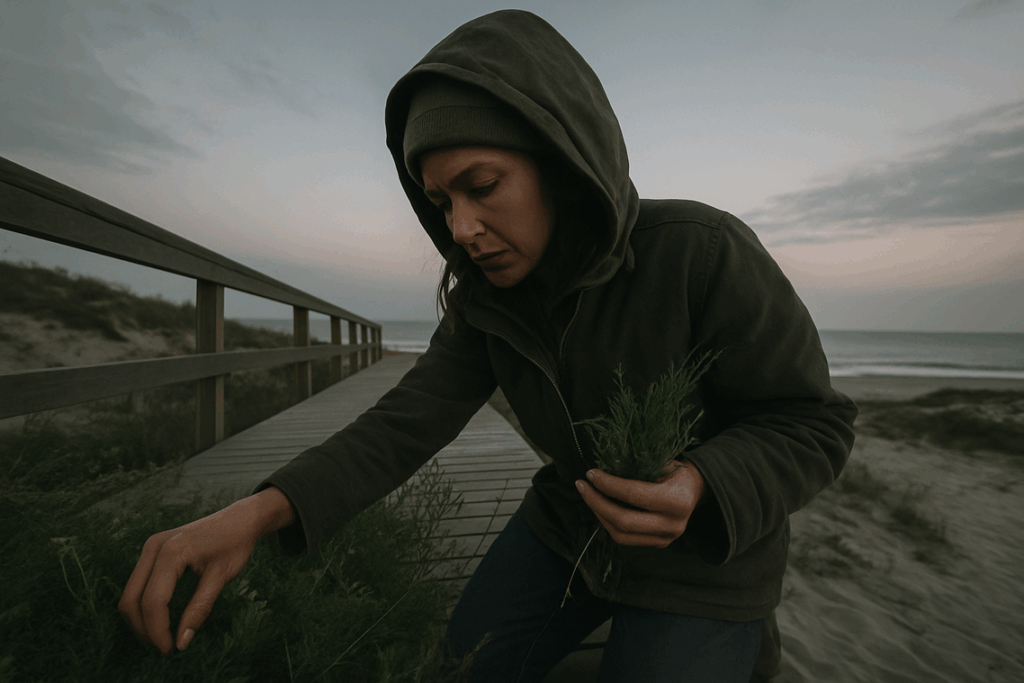
Mastering the wild starts with a clear, practical foundation—not guesswork. This guide is designed to equip you with basic wilderness survival skills that go beyond theory and into real-world application. The true danger in the outdoors isn’t just getting lost; it’s lacking the essential knowledge that turns a manageable situation into a crisis. Here, we break survival down into four critical pillars: shelter, water, fire, and food. Each section delivers actionable, life-saving techniques drawn from decades of hands-on experience in remote and unpredictable terrain, giving you the confidence and competence to respond effectively when it matters most.
The First Priority: Building a Reliable Shelter
If you remember nothing else in a survival scenario, remember this: shelter comes first. Not fire. Not food. Not even water in the first few hours. Exposure kills faster than hunger ever will. Hypothermia—when your body loses heat faster than it can produce it—can set in even at 50°F (10°C) with wind and rain (CDC). I’ve seen people underestimate that and pay for it with shaking hands and cloudy thinking (never a great combo in the wild).
Location Is Everything
Before you build, choose wisely. A bad site ruins a good shelter.
- Pick dry, slightly elevated ground
- Avoid widowmakers (dead branches overhead)
- Stay clear of flood paths and valley bottoms
- Use natural windbreaks like rocks or dense trees
In my opinion, impatience is the real enemy here. People rush. Don’t. Ten extra minutes scouting can mean a warmer night.
Technique 1 – The Lean-To
The lean-to is simple and effective in temperate conditions. Prop a sturdy ridgepole between two supports. Lean ribs (long branches) against it at a 45-degree angle. Pile debris—leaves, pine boughs, bark—thickly on top. Thicker than you think (seriously). It blocks wind and sheds rain.
Technique 2 – The Debris Hut
Colder climate? Build a debris hut. Create a small frame just big enough for your body. Cover it with a thick, waterproof outer layer of debris at least two feet deep. Inside, add a soft, insulated bed of dry material. Smaller space means trapped body heat (like a natural sleeping bag).
Mastering basic wilderness survival skills starts here.
Securing and Purifying Life-Sustaining Water
Water is life, and the “Rule of Threes” proves it: you can survive roughly three weeks without food, three days without water, and three minutes without air. I once underestimated that second line. After a long hike, I passed a muddy pool thinking I’d find something cleaner later. By nightfall, dehydration had set in, and my judgment slipped (so much for pride).
However, finding water often starts with observation. Follow animal tracks downhill; they tend to lead toward streams. Look for lush green vegetation or insects hovering at dusk. Low-lying areas collect runoff after rain.
Still, locating water is only half the battle. I learned the hard way that clear doesn’t mean clean. Giardia and E. coli are pathogens—disease-causing microorganisms—commonly found in untreated sources (CDC).
Purification Methods
First, boil it. Bring water to a rolling boil for at least one minute to kill bacteria, viruses, and parasites. Pro tip: at higher elevations, boil a little longer.
Before boiling, strain sediment using a makeshift filter. Layer charcoal, sand, and cloth in a container; pour water through slowly. This removes debris but does not eliminate viruses or bacteria on its own.
In basic wilderness survival skills, shortcuts cost you. Therefore, treat every drop as suspect—because it probably is. And trust me, relearning that lesson twice was more than enough for a lifetime of hard-earned caution alone.
Creating and Maintaining Fire for Warmth and Safety
Fire does more than warm cold hands. It purifies water (by boiling away pathogens), cooks food to make it safer and more digestible, signals rescuers with smoke, and provides psychological comfort—a morale boost that can steady panic when darkness falls. In survival psychology, that emotional lift is often underestimated. I’d argue it’s as critical as calories (yes, really).
Many people obsess over fancy ignition tools. But fire still depends on the Fire Triangle: tinder, kindling, and fuel wood. Tinder is fine, dry material—think shredded bark or dry grass—that catches a spark. Kindling consists of pencil-sized sticks that bridge fragile flame to strength. Fuel wood are larger logs sustaining long-term heat. Skip one layer and your fire collapses like a poorly stacked Jenga tower.
Technique 1 – Ferro Rod
A ferrocerium rod throws hot sparks when scraped with steel. Aim the spine of your knife at a tight tinder bundle and pull the rod back (not the knife forward) to avoid scattering materials. Pro tip: fluff tinder to increase surface area; sparks need texture to bite.
Technique 2 – Bow Drill
The bow drill—hearth board, spindle, bow, handhold—uses friction to create an ember. Spin the spindle against the hearth board until char dust forms and ignites. It’s demanding, but mastering it defines basic wilderness survival skills.
Some argue primitive methods are outdated in the lighter era. I disagree. Tools fail. Skill endures. And if you know how to read topographic maps for hiking and trekking, you already value self-reliance over convenience.
Sourcing Food and Navigating Basic Foraging

First, here’s a surprise: in most short-term survival scenarios, food is your lowest priority. Shelter, water, and staying calm come first. The benefit? You conserve energy and avoid risky decisions that burn more calories than you gain (yes, chasing a squirrel counts as cardio).
That said, knowing safe foraging basics strengthens your confidence. Positive identification means being 100% certain a plant is what you think it is. Dandelions and cattails are great beginner options because they’re widespread and easy to recognize. Mastering these basic wilderness survival skills gives you a reliable backup plan.
Meanwhile, insects like grubs and ants are high-value targets—packed with protein and far easier to catch than small game.
Still, remember the cardinal rule: When in doubt, throw it out. The benefit of caution? You stay alive. One mistake simply isn’t worth it.
From Surviving to Thriving: Essential Next Steps
You now hold blueprint for Big 4 of wilderness survival, turning uncertainty into action. The real benefit? Confidence. When you understand what to prioritize—shelter, water, fire, food—you replace panic with a plan. That clarity protects your energy, sharpens decisions, and boosts survival odds.
Practice transforms knowledge into instinct. Build a lean-to, test a bow drill, rehearse signaling. These reps deliver returns:
- Muscle memory under stress
- Faster problem-solving
- self-reliance
Some argue that memorizing basic wilderness survival skills is outdated in a GPS world. But batteries die (usually at worst moment). Mastery means thriving truly.
Keep Exploring With Confidence
You came here to strengthen your understanding of outdoor exploration, wild terrain experiences, and the skills that keep you safe when the unexpected happens. Now you have a clearer picture of what it takes to prepare properly, choose the right gear, and move through nature with awareness and confidence.
The truth is, the outdoors is unpredictable. Unfamiliar terrain, shifting weather, and limited resources can quickly turn a simple trip into a stressful situation. Without solid basic wilderness survival skills, even small mistakes can become big problems.
That’s why preparation isn’t optional — it’s essential. The more you sharpen your knowledge and refine your gear setup, the more freedom you gain to explore hidden gems and push deeper into wild terrain safely.
If you’re serious about exploring smarter and staying ready for anything, now’s the time to take action. Dive deeper into practical guides, upgrade your essential gear, and train your basic wilderness survival skills before your next adventure. Thousands of outdoor enthusiasts rely on our trusted insights to stay prepared and confident — join them and start preparing today.