
Planning a river valley adventure comes with incredible rewards—but also real risks if you’re unprepared. If you’re searching for clear, practical guidance on river valley expedition safety, this article is built for you. We break down the essential precautions, gear considerations, terrain awareness strategies, and emergency planning steps that can make the difference between a successful journey and a dangerous situation.
River valleys present unique challenges: sudden weather shifts, unstable ground, flash flooding, wildlife encounters, and limited communication access. Understanding how to anticipate and manage these variables is critical for both beginners and experienced explorers.
To ensure accuracy, this guide draws on established outdoor safety protocols, field-tested expedition practices, and insights from seasoned backcountry professionals. You’ll find actionable recommendations—not vague advice—designed to help you assess risk, prepare properly, and move confidently through wild terrain.
Whether you’re mapping your first route or refining advanced techniques, this resource will help you approach your expedition with preparation, awareness, and confidence.
The First Line of Defense: Pre-Expedition Intelligence
Before you lace up your boots, the real expedition has already begun. In my experience, preparation is the difference between a great story and a rescue report.
Topographical analysis—studying elevation, contours, and terrain features on a map—should be your first step. Contour lines (those squiggly lines that show elevation changes) reveal high-ground campsites, valley-floor danger zones, and narrow choke points where water or rockfall can funnel with force. I always mark at least two escape routes. (Hope is not a strategy.)
Next, dive into hydrological research. A watershed is the land area that drains into your river. Check upstream water gauges and recent rainfall data. According to the National Weather Service, most flash flood deaths occur when people underestimate distant storms. A downpour 50 miles away can surge downstream hours later. That’s why river valley expedition safety starts long before you see dark clouds.
Then, expand your advanced weather forecasting beyond your campsite. Review multi-day forecasts across the entire catchment area. Weather systems travel; complacency travels faster.
Finally, implement a communication and itinerary protocol. Leave a detailed plan, checkpoints, and a firm “panic time” with a trusted contact. Pro tip: write it down, don’t just text it.
For related terrain prep, see exploring desert landscapes challenges and rewards.
Gearing Up for the Terrain: Beyond the Basic Kit
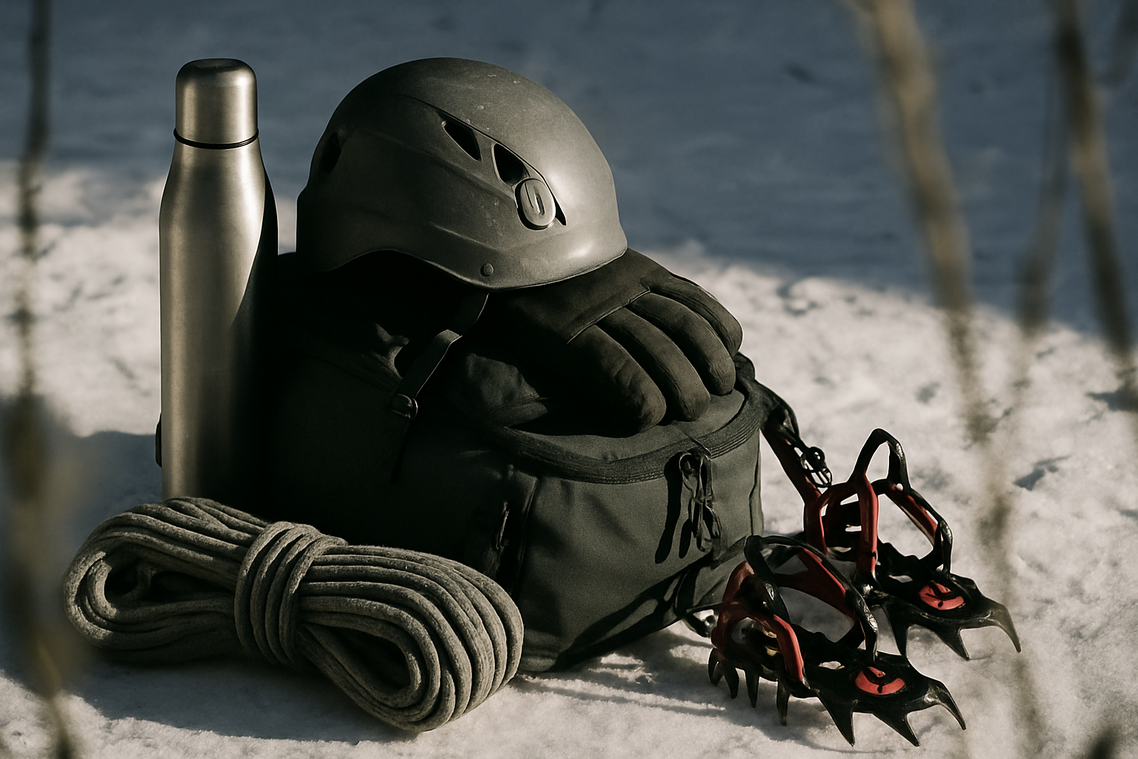
River valleys are deceptive. They look lush and forgiving, but slick rock, cold water, and sudden weather shifts can turn a simple trek into a rescue scenario (and that’s not the adventure story you want to tell later). Thoughtful preparation is the backbone of river valley expedition safety.
-
Footwear Strategy
Choose footwear with superior wet-rock grip and fast-draining materials. Traditional waterproof boots sound smart—until they fill with water during a crossing and become ankle weights. Quick-drain trail shoes with sticky rubber soles reduce slip risk and dry faster, lowering blister chances. -
Water Management System
Water is abundant in valleys but often contaminated by upstream wildlife or runoff. Carry a primary filter or purifier (removes bacteria, protozoa, and sometimes viruses) and pack chemical tablets as backup. If your filter clogs or freezes, the tablets become your safety net. -
Layered Waterproofing
Use dry bags inside a pack liner. This redundant system protects critical gear—sleeping bags, insulation layers, electronics—from total saturation. Think of it as a double firewall against moisture (because once your insulation is wet, warmth disappears fast). -
Navigation Suite
Bring a GPS device with pre-loaded offline maps. Batteries fail, though, so back it up with a waterproof paper map and a reliable compass. Knowing how to triangulate your position is not old-school—it’s essential. -
Tailored First-Aid Kit
Add compression bandages for deep lacerations, elastic wraps for joint stabilization, and emergency blankets for hypothermia management. Slips on mossy rock are common; prepare accordingly.
Reading the River: Navigating In-Field Hazards
Rivers are honest—if you know how to read them. In my experience, most backcountry accidents happen not from recklessness, but from misjudging moving water.
Safe River Crossing Techniques
First, assess speed and depth. Toss a stick upstream and watch how fast it travels; if it moves quicker than a brisk walking pace, think twice. Use a sturdy branch as a third point of contact—the tripod method (two feet and a pole forming a stable triangle). Shuffle sideways, facing upstream, and move one point at a time. And always unbuckle your hip belt and sternum strap before stepping in. If you fall, you need to ditch your pack fast. I’ve heard arguments that keeping it buckled protects your gear. Maybe—but gear is replaceable. You aren’t.
Flash Flood Early Warnings
Conditions can shift without rain overhead. Watch for sudden murkiness, increased floating debris, or a distant roaring sound upstream. Those are red flags. The only correct response is immediate elevation gain. Don’t debate it. Don’t film it. Climb.
Terrain Traps
Undercut banks collapse without warning, especially after erosion. Give them space. Moss-covered rocks? Treat them like ice (because they practically are). Step deliberately and test each foothold. Scree slopes demand short, controlled steps to prevent slides.
Wildlife Encounters
In dense riparian zones, make noise and avoid traveling silently at dawn or dusk. If you encounter large mammals, back away slowly and never corner them.
Ultimately, river valley expedition safety comes down to humility. The river doesn’t care about your itinerary (and it never will).
When plans change, panic is the real enemy. The S.T.O.P. principle—Stop, Think, Observe, Plan—creates a cognitive pause that research shows reduces impulsive decisions under stress (American Psychological Association). In wilderness incident reports, hikers who paused were more likely to self-rescue.
Effective signaling goes beyond shouting. Use the international rule of threes: three blasts, flashes, or fires signals distress. A PLB sends GPS coordinates via satellite; NOAA confirms faster rescues when beacons are activated.
Prioritize survival basics:
- Treat life-threatening injuries.
- Build shelter.
- Secure safe water.
This framework anchors river valley expedition safety in unpredictable backcountry emergencies and crises.
Ready for Your Next River Valley Expedition?
You set out to understand how to plan smarter, travel safer, and explore deeper—and now you have the tools to do exactly that. From terrain awareness to gear setup and practical preparation, you’re better equipped to approach your next journey with confidence.
But let’s be honest: uncertainty in the wild is what holds most explorers back. The fear of missing critical details, overlooking essential gear, or underestimating conditions can turn excitement into hesitation. Prioritizing river valley expedition safety isn’t just a checklist item—it’s the difference between a stressful outing and an unforgettable adventure.
Now it’s time to take the next step. Put this knowledge into action. Review your gear, map your route carefully, and continue learning from trusted outdoor insights designed for real-world terrain. Thousands of explorers rely on our guidance to navigate wild landscapes with clarity and confidence.
Don’t let doubt delay your next expedition. Dive deeper into our expert resources, sharpen your preparation, and start planning your next river valley journey today.