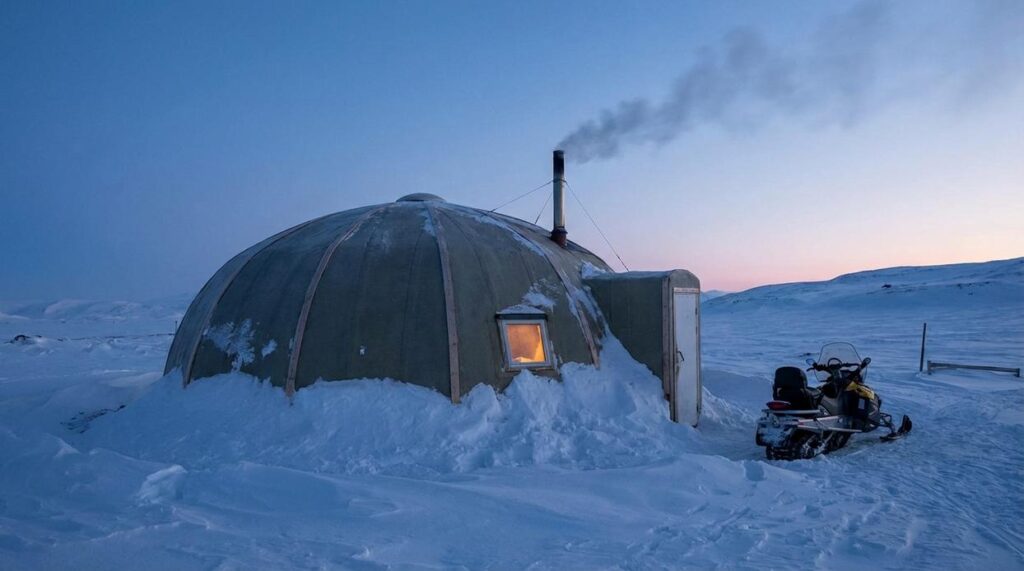
Surviving in the Arctic isn’t about bravery—it’s about preparation, precision, and understanding one of the harshest environments on Earth. If you’re searching for reliable, practical guidance on arctic survival strategies, you likely want more than dramatic stories. You want clear, field-tested insights that can help you stay safe, conserve energy, and make smart decisions when conditions turn extreme.
This article breaks down the essentials: how to manage exposure, build effective shelter, choose and layer gear properly, navigate whiteout terrain, and avoid the most common cold-weather mistakes. We focus on actionable techniques drawn from real-world outdoor exploration, cold-climate research, and proven backcountry practices.
Arctic environments leave no room for guesswork. That’s why the guidance here is grounded in established survival principles, environmental science, and practical field experience. By the end, you’ll understand not just what to do in freezing conditions—but why each step matters when your safety depends on it.
The Arctic doesn’t forgive. In this environment, knowledge isn’t just power—it’s the line between success and catastrophe. I won’t pretend every scenario has a perfect answer; weather shifts, ice cracks, and even experts debate the best layering systems. Still, a few principles are non-negotiable.
• Wear moisture-wicking base layers; sweat is the hidden enemy of heat.
• Vent early to prevent overheating.
• Build shelter before exhaustion sets in.
These arctic survival strategies prioritize heat management, dry clothing, reliable gear, and constant self-checks. Stay humble, stay observant, and treat every decision as if it matters—because it does. Preparation beats bravado every time outside.
Dressing for the Deep Cold: The Science of Layering
When temperatures plummet, what you wear matters more than how tough you are. The secret isn’t one massive coat; it’s a smart system built on three purposeful layers. Think of it as engineering for your body.
-
Base Layer (Wicking): This layer sits against your skin and moves sweat away before it can chill you. Merino wool and synthetic fabrics excel because they transport moisture and still insulate when damp. Cotton does the opposite; it absorbs water and stays wet (basically a cold sponge). If you’re hiking or snowshoeing, that trapped moisture becomes dangerous fast.
-
Mid Layer (Insulation): Next, you trap warm air. Down jackets offer unmatched warmth-to-weight ratios but lose effectiveness when soaked. Synthetic fleece or puffy layers weigh slightly more yet keep insulating in wet snow. For mixed conditions, many seasoned trekkers choose synthetics for reliability.
-
Shell Layer (Protection): Finally, block wind and precipitation. A waterproof and windproof shell like Gore-Tex prevents heat loss while pit zips vent excess heat. Without this barrier, even the best insulation fails.
Together, these layers function like arctic survival strategies, managing moisture, heat, and exposure. Adjust them as activity changes, and you’ll stay warm without overheating or frostbite.
The Art of Staying Warm: Managing Heat, Not Just Cold
Staying warm outdoors isn’t about fighting cold—it’s about managing heat. In simple terms, your body is a furnace. The mistake most people make? Letting that furnace overwork and soak their clothes in sweat.
Preventing Sweat
First and foremost, avoid sweating. Sweat cools you rapidly once you slow down, which can lead to hypothermia (a dangerous drop in core body temperature). Before a steep climb or heavy effort, remove a layer or open vents. Think ahead, not reactively. If you feel “perfectly warm” while moving, you’re probably overdressed (yes, it’s counterintuitive).
Protecting Extremities
Next, protect your extremities—fingers, toes, ears, and nose lose heat fastest because the body restricts blood flow there. Wear a warm hat, plus a balaclava or face mask in biting wind. Choose insulated mittens over gloves; mittens keep fingers together, sharing heat. For feet, use a liner sock (thin moisture-wicking layer) under wool socks to trap warmth while moving sweat away.
Fueling the Furnace
Finally, fuel properly. High-fat, high-calorie foods like nuts, chocolate, and butter provide slow-burning energy for metabolic heat. Hydration matters too; even mild dehydration thickens blood and reduces circulation. These principles echo arctic survival strategies and apply equally when crossing river valleys safely during expeditions: https://faticalawi.com.co/crossing-river-valleys-safely-during-expeditions/.
Building Your Lifeline: Shelter in a Frozen World
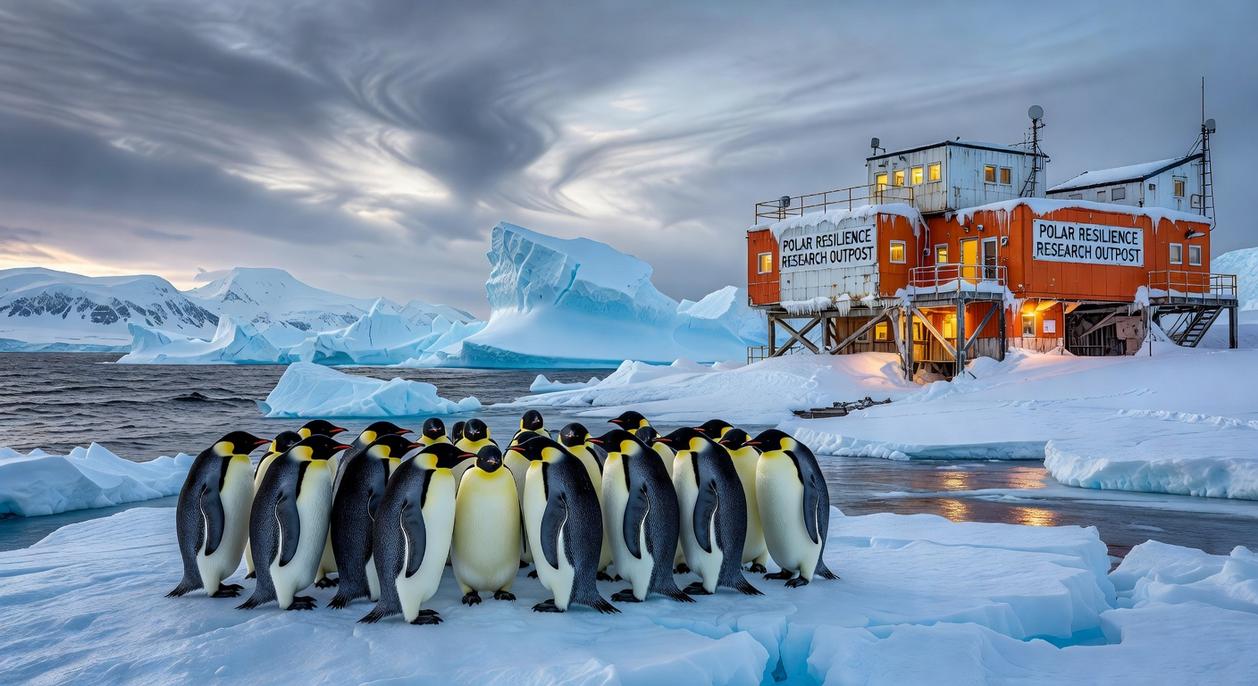
Start with an anecdote about waking up cold.
I once crawled out of my bag on a subzero morning, shivering despite a top-tier sleeping bag. The mistake wasn’t the bag—it was the ground.
The Golden Rule of Shelter: insulate from the ground first. A high R-value sleeping pad (a measure of thermal resistance) blocks conductive heat loss, which is heat stolen by direct contact. Stack two pads if you must (pro tip: foam under inflatable adds insurance). Some argue snow is soft enough to skip this step; they’re wrong. Snow steals warmth fast.
Using natural terrain can buy time. Tree wells and rock overhangs cut wind chill, the drop in perceived temperature caused by wind. I’ve tucked into both during sudden squalls (think The Revenant, minus the bear).
For longer stays, build a quinzhee—a mound hollowed after settling—or carve a snow cave. Snow traps air, creating insulation that can hover near freezing inside even when it’s far colder outside.
If you’re tenting, choose a 4-season model built for high winds and heavy loads. Anchor with snow stakes or deadman anchors buried horizontally. These arctic survival strategies have saved me more than once.
The Uncompromising Gear List: Tools That Work When You Can’t
When conditions turn brutal, your gear either performs—or it doesn’t. First and foremost, build fire-starting redundancy. Carry a ferro rod (a metal rod that throws hot sparks), stormproof matches, and a lighter kept in an inner pocket so body heat keeps the fuel functional. Cold kills convenience. Additionally, practice finding dry tinder: look under dense spruce branches, shave inner bark, or split damp sticks to access the dry core (yes, the good stuff is usually hidden). Pro tip: stash cotton balls coated in petroleum jelly in a waterproof bag—they ignite fast even in wind.
Next, prioritize navigation essentials. Arctic travel brings whiteouts (when sky and ground blur into one endless sheet) and significant magnetic declination, which can skew compass readings. Therefore, carry a GPS powered by lithium batteries—they outperform alkaline in freezing temperatures (Energizer data shows lithium batteries last significantly longer in sub-zero conditions). However, electronics fail. Always pack a physical map and compass as backup. Redundancy isn’t paranoia; it’s preparation.
Finally, don’t overlook critical utility tools. A sturdy snow shovel enables shelter building and avalanche response. A PLB or satellite messenger sends distress signals beyond cell range. And an insulated thermos keeps water drinkable instead of frozen solid (because chewing ice for hydration is not a strategy). These arctic survival strategies aren’t optional—they’re foundational.
Survival hinges on three pillars: staying dry through smart layering, staying warm via deliberate heat management, and staying protected with reliable shelter. In the Arctic, nature is neutral; poor preparation creates danger. Compare panic versus preparation: one burns energy irrationally, the other conserves calories and clarity. Likewise, cotton layers trap moisture, whereas wool or synthetics wick it away. These arctic survival strategies work because they follow physics: conduction, convection, radiation, and evaporation steal heat predictably. Generations of explorers proved this the hard way. So, practice in controlled settings; test gear, rehearse setups, build confidence. When the unexpected strikes, preparation wins.
Ready for Your Next Wild Expedition
You came here looking for practical, real-world insight into navigating extreme environments and uncovering remote terrain with confidence. Now you have a clearer understanding of what it takes to prepare, adapt, and thrive when conditions push back.
The truth is, the wild doesn’t forgive hesitation or poor preparation. Whether you’re planning your first remote trek or refining your arctic survival strategies, the biggest pain point is uncertainty—wondering if you truly have the skills, knowledge, and gear setup to handle what’s ahead.
Here’s your next move: don’t leave your safety or success to guesswork. Dive deeper into expert-backed field insights, proven gear breakdowns, and real expedition-tested techniques designed for harsh and unpredictable environments. Thousands of outdoor enthusiasts rely on our frontier guidance to explore smarter and safer.
Equip yourself properly. Study the terrain. Master the strategy. Then step into the wild prepared—not hoping you’ll manage, but knowing you will.