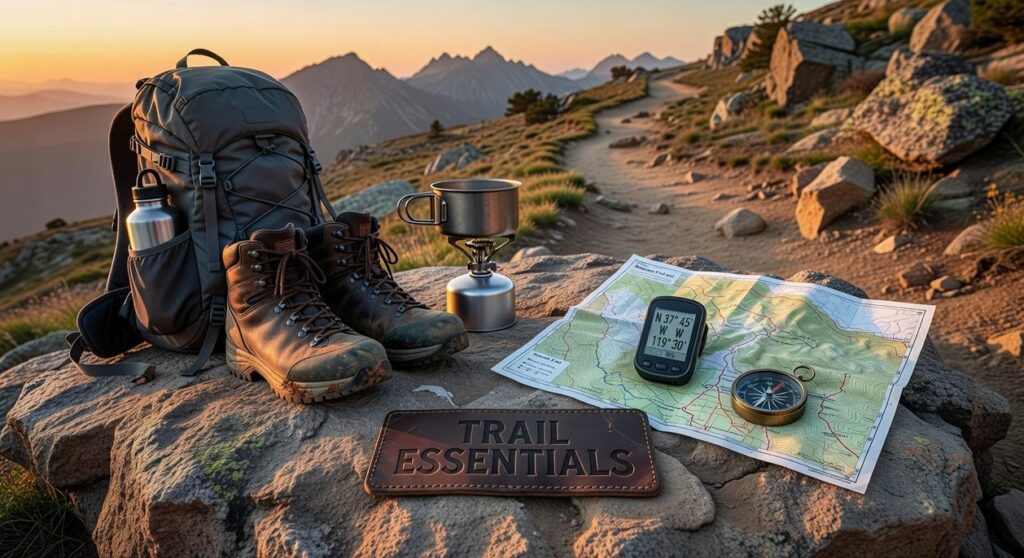

Planning your next outdoor escape should feel exciting—not overwhelming. If you’re searching for practical guidance on how to prepare for wild terrain, discover hidden gems, and build confidence in the outdoors, this article is designed to give you exactly that. From understanding essential gear to following a reliable campsite setup guide, we’ll walk you through the fundamentals that turn uncertainty into capability.
Many outdoor enthusiasts struggle with knowing what to pack, how to set up efficiently, and how to adapt to unpredictable environments. That’s why this guide focuses on clear, field-tested advice grounded in real-world exploration experience and insights gathered from seasoned adventurers and gear specialists.
You’ll learn how to approach campsite selection, optimize your gear setup, and navigate frontier environments with greater awareness. Whether you’re new to outdoor exploration or refining your skills, this article delivers practical, trustworthy knowledge to help you explore smarter, safer, and with more confidence.
Arrive early and pause before unloading. First, choose high, level ground—this prevents pooling water if rain hits overnight. Next, face your tent door away from prevailing winds. Stake corners at 45-degree angles—that angle increases holding power, meaning resistance against pull. Then, create zones: a “sleep sanctuary” for rest, a separate kitchen downwind, and a gear drop near the entrance. This campsite setup guide keeps traffic flowing smoothly. Finally, store food in sealed containers or a bear canister (critters are relentless). Pro tip: lay a groundsheet under your tent footprint to reduce abrasion. Follow it, and your patch becomes an oasis.
Choosing Your Ground: The Foundation of a Great Camp
To ensure your campsite remains a haven of safety and comfort, especially in unpredictable environments, it’s essential to consider unique challenges like those faced during rainforest expeditions where navigating dense and humid terrain can complicate your setup – for more details, check out our Rainforest Expeditions: Navigating Dense and Humid Terrain.
Before you pitch a tent, pause. The Golden Rule of camping is simple: where you sleep determines whether you wake up refreshed—or reenacting a survival reality show. Site selection isn’t glamorous, but it’s the backbone of every solid campsite setup guide.
First, look for a level, smooth surface. Even a slight slope can turn you into a human burrito by 2 a.m. (Gravity never sleeps.) Clear away rocks and roots; your spine will thank you.
Next, consider water proximity and safety. Yes, camping near water is scenic and practical. However, stay at least 200 feet away and camp on higher ground. This reduces flood risk and limits insect swarms. According to Leave No Trace principles, this distance also protects fragile shorelines (Leave No Trace Center for Outdoor Ethics).
Then, seek natural shelter. Trees can block wind and provide shade. But always check above for “widowmakers”—dead, hanging branches that can fall without warning. The name is dramatic for a reason.
Finally, respect the environment. Choose durable, existing campsites to minimize impact.
| Checklist Item | Why It Matters |
|---|---|
| Level Ground | Better sleep, fewer aches |
| 200 ft from Water | Flood and insect control |
| Check for Widowmakers | Prevent injury |
| Durable Surfaces | Protect ecosystems |
In short, pick wisely now—so nature doesn’t pick on you later.
Raising Your Shelter: A Step-by-Step Tent Pitching Guide
Pitching a tent isn’t just assembly—it’s strategy. Done right, it’s a five-step system. Done wrong, it’s a midnight scramble in the rain (and no one wants to star in that survival blooper reel).
Step 1: The Footprint Foundation
Think of a footprint (a protective ground tarp placed under your tent) as insurance. With one, you block moisture and prevent abrasion; without it, sharp gravel can slowly grind through your floor. Some campers skip this step to save time. That works—until condensation seeps up or you pack away a damp tent.
Step 2: Unpack and Assemble
Lay everything out before building. Organized setup vs. frantic pole-hunting in fading light—it’s an easy choice. Confirm poles, stakes, rainfly, and guylines are present. (Pro tip: count stakes now, not when the wind picks up.)
Step 3: Raise the Structure
Insert poles into grommets or clips. If it feels forced, it probably is. Aluminum poles flex; fiberglass can splinter under pressure. Smooth assembly means proper alignment.
Step 4: Stake It Down
Stake corners first, pulling the floor taut. Drive stakes at a 45-degree angle for better holding strength—vertical stakes loosen faster in wind. Loose pitch vs. drum-tight base? The latter wins every storm test.
Step 5: Attach the Rainfly
Position the rainfly correctly and tension the guylines (cords that stabilize your tent). A sagging fly collects water; a taut one sheds it efficiently.
Follow this campsite setup guide approach and you’ll move from “good enough” to confidently weather-ready every time.
Organizing Your Outdoor Hub: Kitchen and Living Zones
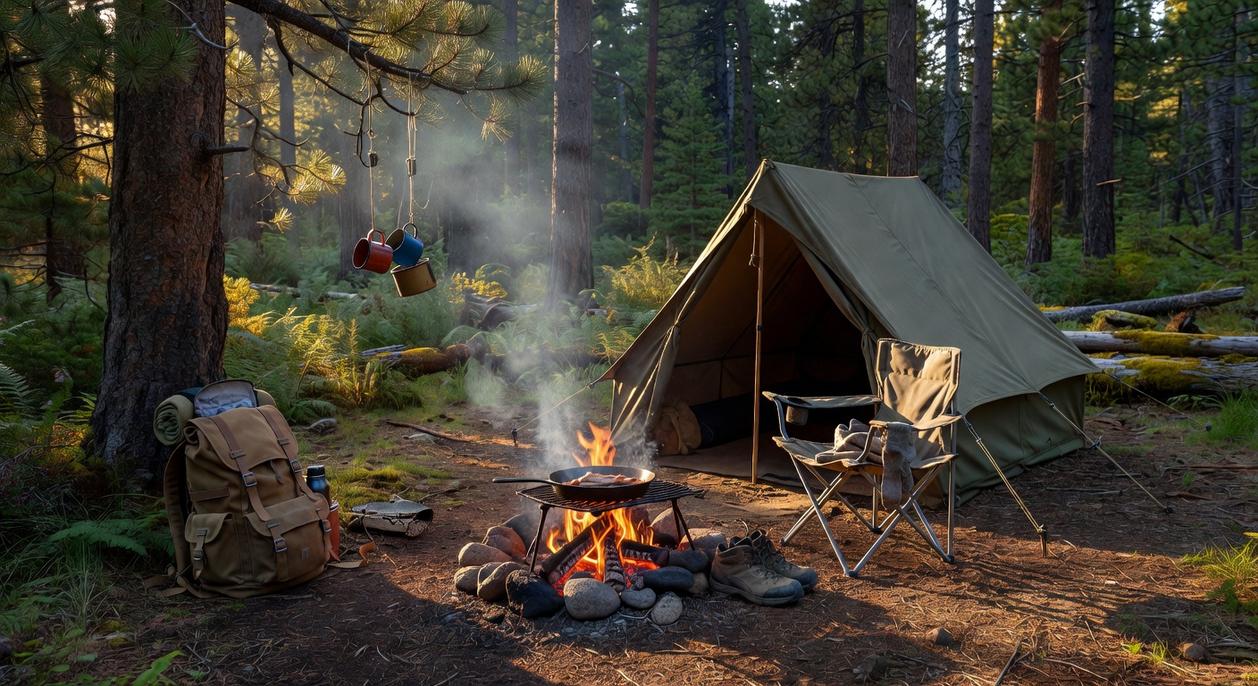
The first time I ignored the “camp kitchen triangle,” dinner turned into chaos. I was pacing between the stove, cooler, and water jug like I was on a cooking show with no prep (spoiler: it wasn’t glamorous). Since then, I always create three clear points: a cooking station (your stove or grill), a cleaning station (water, soap, bin), and food storage. Think of it as your outdoor workflow—each step a few paces apart, but not overlapping.
Here’s a simple layout:
| Zone | Purpose | Pro Tip |
|---|---|---|
| Cooking Station | Stove or grill area |
Keep utensils in one bin |
| Cleaning Station | Dishwashing + waste | Strain food scraps immediately |
| Food Storage | Cooler or bear canister | Lock it after every use |
Wildlife-proofing isn’t optional. Store all food, trash, and scented items in a bear canister, bear bag, or locked trunk. Never inside your tent (yes, even snacks). According to the National Park Service, food-conditioned wildlife becomes dangerous and often euthanized.
If fires are allowed, use existing rings and clear a 10-foot radius. Keep water or dirt nearby—always. Finally, position chairs upwind from the fire pit. Smoke follows hesitation.
For broader planning, review this campsite setup guide and brush up on trail maintenance etiquette every explorer should follow.
Engineering a Restful Night: Your Sleep System Setup
A great day outside can unravel fast if your sleep system fails. So first, prepare for comfort. As soon as your shelter is secure, 1) inflate your sleeping pad and 2) unroll your sleeping bag. Sleeping bags rely on loft—the fluffiness of insulation that traps warm air—to insulate effectively. Synthetic and down fills both need time to expand (down, in particular, can take 20–30 minutes to fully loft). The benefit? Maximum warmth when temperatures drop.
Next, organize with intention. Designate a consistent spot for essentials—headlamp, water bottle, phone—so you’re not fumbling in the dark like you’re in a suspense movie. Keep packs and muddy boots in the vestibule to preserve interior space and reduce moisture transfer.
Finally, master ventilation. Crack a roof vent or slightly open the rainfly door. Airflow minimizes condensation caused by warm breath meeting cold fabric—a principle explained in any solid campsite setup guide. The payoff is simple: drier gear, warmer sleep, better recovery.
Your camp is set. The tent is taut, the gear stowed, the kitchen zone organized. That didn’t happen by luck—it happened because you followed a deliberate system, not the chaotic “just throw it down” method some campers brag about. Contrary to popular belief, spontaneity doesn’t make you rugged; preparation does. A thoughtful campsite setup guide removes stress before it starts.
Now comes the reward. A stable basecamp means real freedom. Freedom to cook slowly, wander farther, or simply sit and watch the light change. No scrambling. No second-guessing. Just wilderness on your terms. Start the fire and savor it fully.
Ready for Your Next Wild Terrain Experience?
You came here looking for practical, no-fluff guidance to make your time outdoors smoother, safer, and more rewarding. Now you have a clearer understanding of how to approach wild terrain, choose the right gear, and prepare for real-world conditions without second-guessing every decision.
The biggest frustration with outdoor exploration is feeling unprepared — not knowing if your setup will hold, if your gear will perform, or if you’ve overlooked something critical. That uncertainty can turn an exciting trip into a stressful one. With the right preparation and a reliable campsite setup guide, you eliminate those doubts and replace them with confidence.
Now it’s time to put this into action. Review your gear, map your route, and build your setup plan before you head out. If you want proven, field-tested insights trusted by thousands of outdoor enthusiasts, explore our in-depth resources and start preparing today.
Don’t leave your next adventure to chance. Get the right guidance, dial in your setup, and step into the wild fully prepared.
 Lead Explorer & Content Specialist
Ann Wootenutter writes the kind of alawi wilderness navigation content that people actually send to each other. Not because it's flashy or controversial, but because it's the sort of thing where you read it and immediately think of three people who need to see it. Ann has a talent for identifying the questions that a lot of people have but haven't quite figured out how to articulate yet — and then answering them properly.
They covers a lot of ground: Alawi Wilderness Navigation, Frontier Findings, Gear Setup and Trail Tips, and plenty of adjacent territory that doesn't always get treated with the same seriousness. The consistency across all of it is a certain kind of respect for the reader. Ann doesn't assume people are stupid, and they doesn't assume they know everything either. They writes for someone who is genuinely trying to figure something out — because that's usually who's actually reading. That assumption shapes everything from how they structures an explanation to how much background they includes before getting to the point.
Beyond the practical stuff, there's something in Ann's writing that reflects a real investment in the subject — not performed enthusiasm, but the kind of sustained interest that produces insight over time. They has been paying attention to alawi wilderness navigation long enough that they notices things a more casual observer would miss. That depth shows up in the work in ways that are hard to fake.
Lead Explorer & Content Specialist
Ann Wootenutter writes the kind of alawi wilderness navigation content that people actually send to each other. Not because it's flashy or controversial, but because it's the sort of thing where you read it and immediately think of three people who need to see it. Ann has a talent for identifying the questions that a lot of people have but haven't quite figured out how to articulate yet — and then answering them properly.
They covers a lot of ground: Alawi Wilderness Navigation, Frontier Findings, Gear Setup and Trail Tips, and plenty of adjacent territory that doesn't always get treated with the same seriousness. The consistency across all of it is a certain kind of respect for the reader. Ann doesn't assume people are stupid, and they doesn't assume they know everything either. They writes for someone who is genuinely trying to figure something out — because that's usually who's actually reading. That assumption shapes everything from how they structures an explanation to how much background they includes before getting to the point.
Beyond the practical stuff, there's something in Ann's writing that reflects a real investment in the subject — not performed enthusiasm, but the kind of sustained interest that produces insight over time. They has been paying attention to alawi wilderness navigation long enough that they notices things a more casual observer would miss. That depth shows up in the work in ways that are hard to fake.