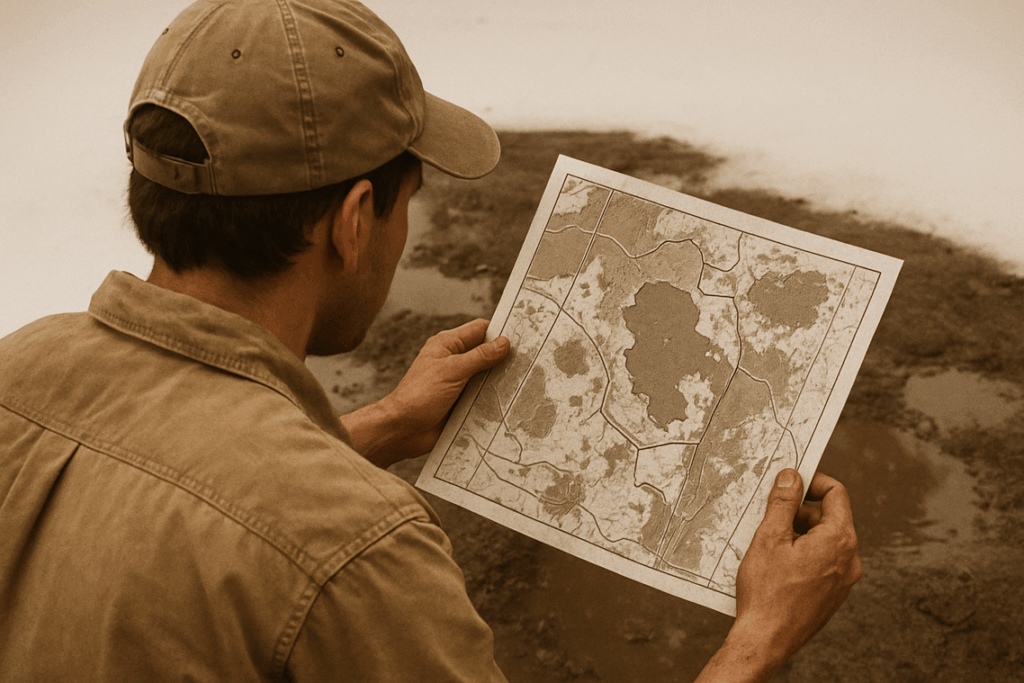

Deserts have a way of pulling you in—vast horizons, shifting dunes, and a silence that feels almost otherworldly. But behind that beauty lies a unique set of desert exploration challenges that can quickly turn an adventure into a test of preparation, endurance, and awareness. If you’re here, you’re likely looking to understand what it truly takes to explore arid landscapes safely and confidently.
This article breaks down the realities of desert travel, from navigating extreme temperatures and scarce water sources to choosing the right gear and planning reliable routes. We focus on practical insights that align with what explorers actually need to know before stepping into wild terrain.
Our guidance is grounded in extensive field research, firsthand outdoor experience, and careful analysis of proven survival strategies. By the end, you’ll have a clear, trustworthy roadmap to approach desert environments with respect, preparation, and confidence.
Thriving in the Arid Unknown
The desert’s beauty is honest—but not gentle. Most guides focus on gear lists; few address the layered psychology behind desert exploration challenges. Heat isn’t just temperature; it’s cumulative physiological strain, where dehydration quietly thickens your blood (yes, literally) and impairs judgment, according to the CDC. Navigation isn’t just map reading; shifting dunes erase landmarks within hours. Sudden cold snaps can follow blistering afternoons, stressing your body twice in one day.
- Pro tip: Track sweat rate, not thirst. Thirst lags behind dehydration.
Unlike competitors, we emphasize stress stacking—the compounding toll of heat, isolation, and ambiguity—because survival is rarely about one mistake.
The Unforgiving Sun: Managing Heat and Hydration
As we navigate the challenges of exploring desert landscapes, from searing heat to limited resources, we can also draw inspiration from the art of researching untouched frontiers, as outlined in our article on uncovering remote landscapes – for more details, check out our Uncovering Remote Landscapes: How to Research Untouched Frontiers.
The most immediate threat in any desert is heat. Not the cinematic, slow-burn kind—real, physiological overload. Heat exhaustion (a condition where your body overheats but can still cool itself) often shows up as dizziness, heavy sweating, nausea, and muscle cramps. Heatstroke, far more dangerous, occurs when the body loses the ability to regulate temperature—signaled by confusion, hot dry skin, and sometimes a complete stop in sweating. That shift can happen faster than most people expect.
Dehydration compounds everything. In dry air, you lose moisture not just through sweat but with every breath. The common guideline is at least 1.5 gallons (6 liters) of water per person, per day. Still, I’ll admit there’s debate here—body size, exertion level, and shade access all change the math. Some seasoned trekkers claim they can function on less. Maybe. But margin for error in extreme heat is razor thin.
Effective hydration means:
- Sipping consistently rather than chugging
- Replacing electrolytes (sodium, potassium) lost through sweat
- Monitoring urine color as a hydration indicator
Your first defense is clothing. Lightweight, loose-fitting, light-colored layers with a high UPF rating reduce radiant heat gain while allowing airflow. A wide-brimmed hat shields your face and neck, limiting core temperature spikes.
Even with perfect preparation, desert exploration challenges can humble anyone (the sun doesn’t negotiate). Pro tip: start early, rest midday, and respect the heat—because it will not respect you.
Navigating the Featureless Expanse
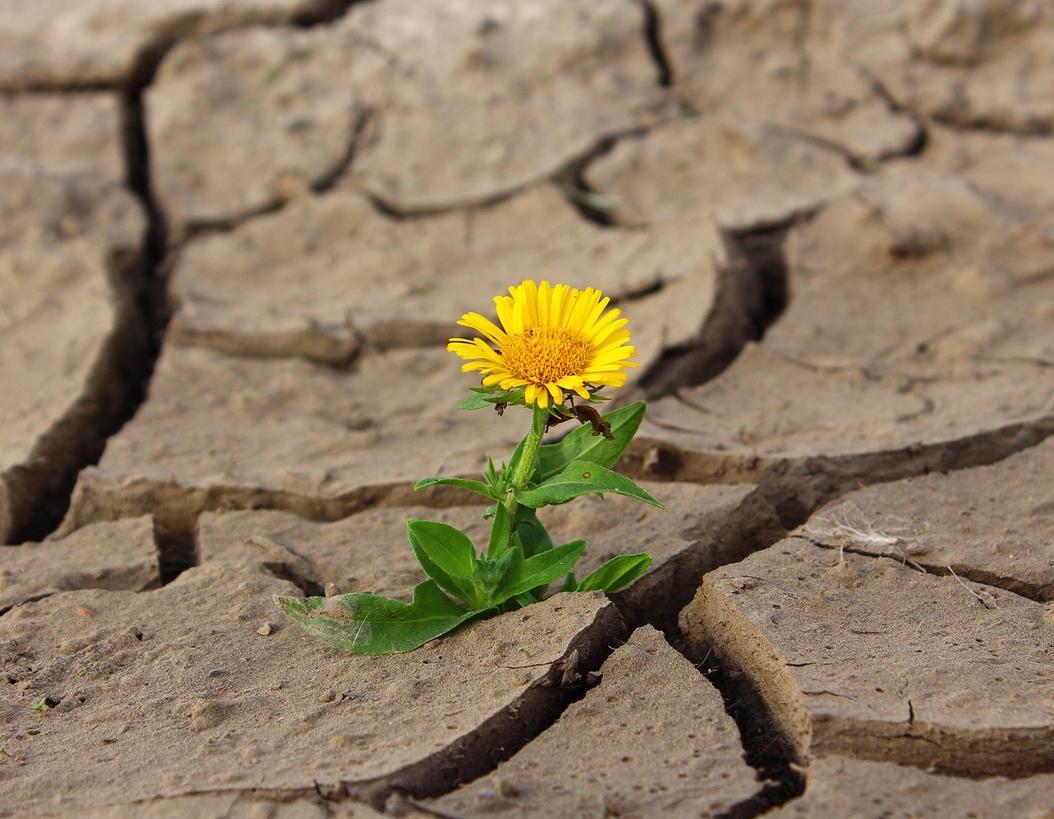
Vast, monotonous landscapes can quietly unravel your confidence. When every direction looks the same, your brain strains to create patterns (and sometimes invents them). That psychological pressure often leads to rushed decisions—like veering off course because “that ridge looks familiar.” It’s a common issue in desert exploration challenges and open tundra alike.
While GPS feels like a safety net, relying on it alone is risky. Batteries fail. Screens crack. Satellite signals disappear in deep canyons. A physical map and compass aren’t nostalgic relics—they’re redundant systems (and redundancy keeps you found).
Here’s how to stay oriented:
- Read topographic maps: Contour lines represent elevation changes. Tight lines mean steep terrain; wide spacing signals gradual slopes.
- Use solar positioning: The sun rises east, sets west; at midday it arcs south in the Northern Hemisphere.
- Take bearings: Lock onto a distant landmark and follow a fixed compass heading.
| Tool | Why It Matters | Practical Tip |
|---|---|---|
| Compass | Maintains direction |
Set and follow a bearing |
| Topo Map | Reveals subtle terrain shifts | Match contours to landforms |
| Landmarks | Prevent circles | Choose distant, fixed points |
In truly featureless terrain, create temporary markers—small rock cairns or arrows in sand (and dismantle them on return). For high-altitude orientation insights, review mountain trekking realities what to expect at high altitudes.
Managing Extreme Temperature Swings After Sunset
Clear skies and low humidity bake the desert by day, but once the sun drops, that same atmosphere lets heat escape fast. As a result, temperatures can fall 30–40°F (15–20°C) in hours. During desert exploration challenges, this swing catches people off guard. Hypothermia—when your body loses heat faster than it produces it—can set in quickly. Early signs include shivering, fatigue, and mental fog (if you’re suddenly making bad decisions, that’s a clue).
So, what can you do?
- Pack a three-layer system. Start with a moisture-wicking base layer to keep sweat off your skin.
- Add insulation. A fleece or down mid-layer traps body heat efficiently.
- Block the wind. A lightweight shell prevents convective heat loss.
For example, hikers who swap a damp t-shirt for a dry base layer immediately after sunset retain far more warmth. Pro tip: change before you feel cold—it’s harder to recover once chilled.
Hidden Dangers: Wildlife and Shifting Sands
The desert looks empty. It isn’t. Beneath rocks, inside boots, and under cool sand crusts live snakes, scorpions, and spiders adapted to extreme heat. Your best defense is simple awareness. Never place your hands or feet where you can’t see. Step onto rocks, not over them. Before dressing each morning, shake out boots, gloves, and sleeping bags (yes, even if you’re sure they’re clean). A five‑second check can prevent a venomous sting that’s hours from medical help.
Sandstorms are another serious threat. Winds can rise fast, turning clear skies into a wall of dust in minutes. At the first gusts, act immediately:
- Move to the leeward side of a large rock or dune
- Put on goggles
- Cover your nose and mouth with a bandana or cloth
If visibility drops to zero, stay put. Wandering disoriented causes more rescues than the storm itself.
Flash floods may be the most deceptive risk. A storm miles away can send water racing through a dry arroyo without warning. Never camp in washes, no matter how firm the sand feels. In desert exploration challenges, higher ground isn’t optional—it’s survival. (Dry doesn’t mean safe.)
You have now explored the primary challenges faced in desert environments. Understanding these obstacles is the first and most important step toward a successful expedition.
The desert’s stark beauty is matched only by its indifference to the unprepared. The margin for error is SLIM.
Brute force vs. informed strategy: one drains your water, the other rations it. Guesswork vs. GPS and map skills: one hopes, the other KNOWS.
Mastering hydration, navigation, temperature regulation, and hazard awareness turns desert exploration challenges into a calculated adventure.
Practice in controlled settings, test gear vs. terrain, and plan with RESPECT. Preparation conquers chaos. Wisely.
Master the Dunes with Confidence
You set out to better understand what it really takes to explore the desert safely and confidently—and now you have the essentials. From preparing the right gear setup to reading shifting terrain and planning for extreme conditions, you’re no longer guessing your way into the wild.
The truth is, desert exploration challenges can quickly turn from thrilling to dangerous without the right knowledge. Harsh climates, limited water sources, navigation risks, and isolation demand preparation and awareness. Ignoring these realities is what holds most explorers back—or worse, puts them at risk.
But you don’t have to step into the unknown unprepared. With the right guidance, tested strategies, and practical insights, you can explore hidden gems and wild terrain with confidence instead of hesitation.
If you’re ready to turn uncertainty into capability, start applying these strategies on your next outing. Dive deeper into expert-backed exploration insights, upgrade your setup, and plan smarter routes today. Join thousands of outdoor enthusiasts who rely on proven guidance to conquer tough environments safely. Your next desert adventure deserves more than guesswork—take action now and explore with confidence.
 Founder & CEO
Korlan Kovalde writes the kind of hidden gems content that people actually send to each other. Not because it's flashy or controversial, but because it's the sort of thing where you read it and immediately think of three people who need to see it. Korlan has a talent for identifying the questions that a lot of people have but haven't quite figured out how to articulate yet — and then answering them properly.
They covers a lot of ground: Hidden Gems, Gear Setup and Trail Tips, Frontier Findings, and plenty of adjacent territory that doesn't always get treated with the same seriousness. The consistency across all of it is a certain kind of respect for the reader. Korlan doesn't assume people are stupid, and they doesn't assume they know everything either. They writes for someone who is genuinely trying to figure something out — because that's usually who's actually reading. That assumption shapes everything from how they structures an explanation to how much background they includes before getting to the point.
Beyond the practical stuff, there's something in Korlan's writing that reflects a real investment in the subject — not performed enthusiasm, but the kind of sustained interest that produces insight over time. They has been paying attention to hidden gems long enough that they notices things a more casual observer would miss. That depth shows up in the work in ways that are hard to fake.
Founder & CEO
Korlan Kovalde writes the kind of hidden gems content that people actually send to each other. Not because it's flashy or controversial, but because it's the sort of thing where you read it and immediately think of three people who need to see it. Korlan has a talent for identifying the questions that a lot of people have but haven't quite figured out how to articulate yet — and then answering them properly.
They covers a lot of ground: Hidden Gems, Gear Setup and Trail Tips, Frontier Findings, and plenty of adjacent territory that doesn't always get treated with the same seriousness. The consistency across all of it is a certain kind of respect for the reader. Korlan doesn't assume people are stupid, and they doesn't assume they know everything either. They writes for someone who is genuinely trying to figure something out — because that's usually who's actually reading. That assumption shapes everything from how they structures an explanation to how much background they includes before getting to the point.
Beyond the practical stuff, there's something in Korlan's writing that reflects a real investment in the subject — not performed enthusiasm, but the kind of sustained interest that produces insight over time. They has been paying attention to hidden gems long enough that they notices things a more casual observer would miss. That depth shows up in the work in ways that are hard to fake.